
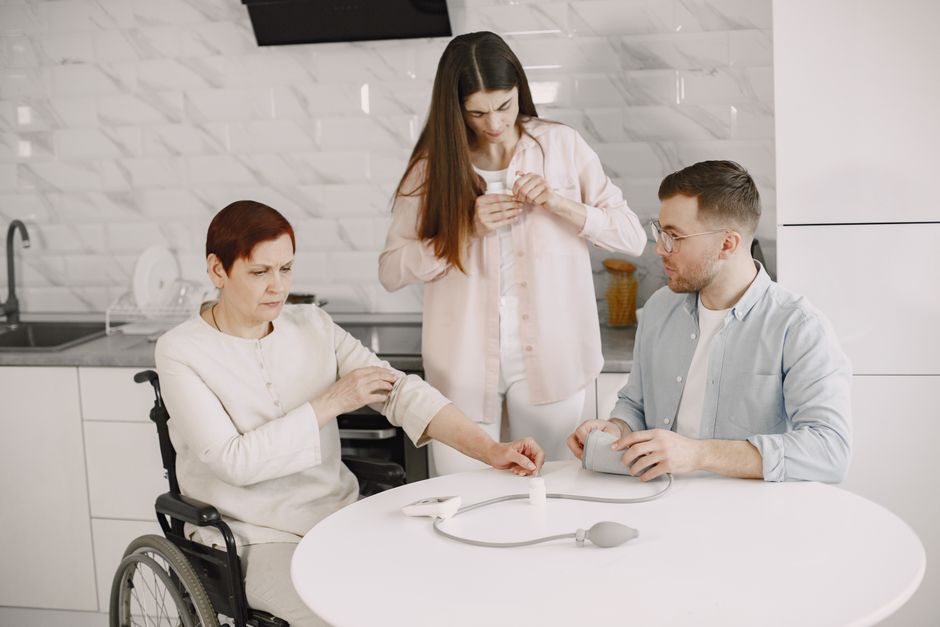
In-home care in Brazoria County gives your loved ones the chance to age (or recover) with dignity while staying in the place they know best. Whether you’re managing your parent’s aging, helping a spouse through illness, or supporting someone post-surgery, quality in-home care can be a game-changer for your whole family.
Let’s walk through what’s actually available in Brazoria County, how to find the right fit, and what questions to ask before you commit.
Related: Companion Care for Isolated Seniors in Brazoria County
Related: In-Home Care in Alvin, TX: What You Need to Know
Related: In-Home Care West Columbia TX: What You Need to Know
Related: In-Home Care in Angleton, TX: What You Need to Know
Related: In-Home Care After Fall or Accident: Your Recovery Roadmap
Related: In-Home Care During Recovery at Home: Complete Guide
Related: In-Home Care for Arthritis and Mobility Issues: A Guide
Related: In-Home Care in Freeport, TX: A Guide to Senior Care Options
What In-Home Care Services Are Available in Brazoria County?
In-home care in Brazoria County covers a lot of ground. You’re not limited to one type of support.
Most providers offer personal care assistance, which means help with bathing, dressing, grooming, and toileting. Meal preparation is huge too, especially if your loved one has dietary restrictions or just needs someone to make sure they’re eating well.
Transportation services help seniors get to doctor appointments, the grocery store, or social outings. Light housekeeping keeps the home safe and clean. Medication reminders ensure nothing gets missed. And companionship, honestly, might be one of the most underrated services out there, because isolation is real for seniors living alone.
Some providers also do errands and shopping, which lifts a massive weight off adult children who are juggling work and caregiving. When you’re choosing an in-home care provider, start by listing exactly which of these services your loved one needs most.
Related: How Much Does In-Home Senior Care Cost in 2026
Types of In-Home Care: Medical vs. Non-Medical
Here’s where it gets important to know the difference. Medical in-home care involves nursing services, wound care, physical therapy, and medication management by licensed professionals. Non-medical care includes everything else: personal care, companionship, meal prep, housekeeping.
Related: Elderly Personal Care Services in Clute: What You Need to Know
Most families in Brazoria County need a mix. Your parent might need a nurse to manage a chronic condition, but they also need someone to help with daily living tasks and keep them company on Tuesday afternoons. The good news is you can combine services.
Help Inc. specializes in both medical and non-medical support, which means your care plan can shift as your loved one’s needs change without switching providers mid-stream.
Who Provides In-Home Care in Brazoria County?
You have several options for finding care in your area. Visiting Angels Southern Brazoria County serves Lake Jackson and surrounding communities and focuses on specialized senior care. Local providers like Angel Leaf Home Care Providers, HeartKeepers Senior Care, and Sheila’s Angels all have strong track records in the region.
Related: Affordable Senior Care in Brazoria County: Your Complete Guide
Related: How to Find Respite Care for Caregivers: A Step-by-Step Guide
You can also access Angleton Rehabilitation services for post-surgical or recovery-focused care. When you call any provider, ask about their availability in your specific town (Angleton, Lake Jackson, Pearland, Brazoria, or elsewhere in the county), caregiver background checks, and how they handle emergencies.
Understanding Medicaid and Government Support in Brazoria County

Money is often the biggest question, and Brazoria County has some resources that can help. The County In-Home Care Program (CIHCP) provides medically necessary healthcare benefits to eligible residents.
Here’s how to check if your loved one qualifies:
- Call the Angleton Office
- Call the Alvin Office
- Ask about eligibility assessment and what services are covered under your specific situation
These programs focus on empowering family caregivers with both the medical and day-to-day support needed, so your loved one can maintain independence while you stay sane. Don’t skip this step, because free or low-cost care changes everything for tight budgets.
How to Choose the Right In-Home Care Provider
Picking a provider is personal. You’re trusting someone with your parent or spouse. Here’s what to evaluate:
Background and training: Ask about caregiver screening, training hours, and certifications. Your provider should run background checks and verify references.
Availability and flexibility: Do they offer the hours you need? Can they adjust if your loved one’s schedule changes? Will they show up consistently?
Experience with your loved one’s specific needs: Someone managing dementia needs different training than someone recovering from hip surgery. Make sure the provider has relevant experience.
Communication and responsiveness: Call them with a question. How fast do they respond? Do they explain things clearly? You’ll be working together for months or years, so this matters.
Cost and payment options: Understand pricing upfront. Do they accept Medicaid? Do they offer sliding scale fees? Are there cancellation policies?
According to the National Institute on Aging, choosing home care involves comparing quality, cost, and fit, so take your time and talk to at least two or three providers before deciding.
Red Flags to Watch For
Not all providers are created equal. Steer clear of anyone who can’t provide references, refuses background checks, wants payment in cash only, or seems rushed during your initial conversation.
If a caregiver ever seems disrespectful to your loved one, checks their phone constantly, or discourages visits from family, that’s a problem. Your gut matters here. Trust it.
Good providers want families involved and comfortable. They report honestly about how your loved one is doing and welcome questions.
Getting Started: Your Action Steps
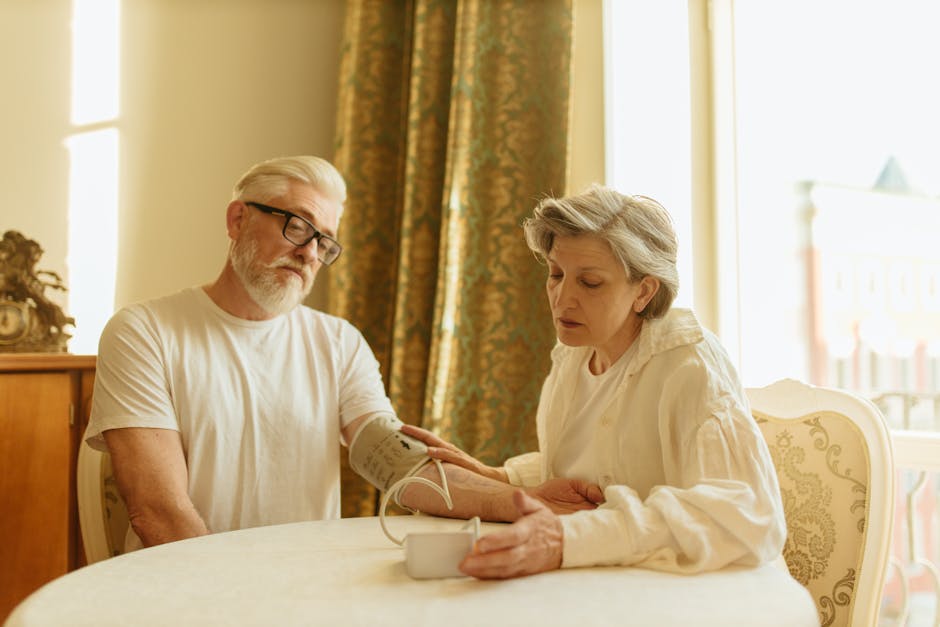
Start by writing down what your loved one needs most. Personal care? Meal prep? Just someone to talk to a few hours a week? Clarity helps providers give accurate quotes and availability info.
Next, contact 2-3 providers and ask for free consultations. Most will come to your home, meet your loved one, and give you a personalized estimate. Use these calls to ask all your questions without pressure.
Check eligibility for CIHCP or other Medicaid programs by calling those county offices. Even if your loved one doesn’t qualify fully, they might get partial coverage.
Finally, start with a trial period if possible. Many providers will do a week or two of shorter shifts so you can see if the fit is right before committing long-term. Help Inc. can walk you through this process and help match you with services that align with your family’s values and budget.
Why In-Home Care Makes Sense for Brazoria County Families
Staying home isn’t just about preference, it’s about health and happiness. Seniors who age in place with proper support have better mental health, stay more active, and feel more in control of their lives. Your loved one gets to keep their routines, stay in their community, and maintain their independence.
For you as a caregiver, having professional support means you don’t burn out. You get to be a son or daughter, a spouse, a partner in the relationship again, instead of being on call 24/7.
In-home care in Brazoria County isn’t a luxury, it’s a practical solution that works for real families managing real situations. And the good providers in your area understand that caregiving is an act of love, not a burden.
Finding Quality Care That Fits Your Family
The landscape of in-home care in Brazoria County has solid options. The key is doing your homework, asking the right questions, and trusting your instincts about who will treat your loved one with real dignity and care.
Start your search today by connecting with local providers and exploring what government programs might support your family. Your loved one deserves care that never quits, and you deserve peace of mind.
What does in-home care cost in Brazoria County?
Costs vary widely based on the type and hours of care. Non-medical personal care typically ranges from $18-25 per hour, while medical services cost more. Many providers offer sliding scale fees or accept Medicaid to make care affordable. Always ask about payment options during your consultation.
How do I know if my loved one is ready for in-home care?
Signs include difficulty with daily tasks like bathing or cooking, mobility challenges, recent hospitalization, chronic illness management, or just feeling isolated. You don’t need a major health crisis to start care. Sometimes a few hours a week of companionship and meal prep makes all the difference.
Can I try in-home care before committing long-term?
Yes. Most providers offer trial periods or flexible scheduling so you can see how it goes. Start with a few hours a week and adjust based on how your loved one responds and what actually works for your family’s schedule.
What if my loved one resists in-home care at first?
This is normal. Involve your loved one in choosing the caregiver if possible, start with limited hours, and let them build trust with the same person over time. Having a compassionate caregiver who respects their independence helps. Framing it as support, not a loss of control, makes a difference too.


