

In-home care during recovery at home provides support between hospital discharge and returning to your regular activities. Whether you’re recovering from surgery, managing an illness, or helping a loved one regain independence, professional in-home support can assist with practical daily needs.
Recovery requires rest, proper nutrition, medication management, and support to follow medical orders. Managing these elements alone—or asking family to juggle caregiving while working and managing their own lives—creates stress. In-home care provides practical assistance with these everyday tasks.
What In-Home Care During Recovery Actually Looks Like
In-home care during recovery focuses on practical, everyday support. This may include helping with medication reminders, meal preparation, assistance with bathing and dressing, and support with attending appointments.
A caregiver might help you out of bed in the morning, assist with bathing and dressing, remind you to take prescribed medications, prepare meals, and encourage you to do your prescribed exercises. They’re also there to notice if something seems unusual—a fever, unusual swelling, or other changes—and alert your doctor.
You remain in your own home, surrounded by familiar spaces and people you know. This familiar environment may support your overall well-being during recovery.
How In-Home Care Supports Recovery
One important aspect of recovery is medication adherence. A professional caregiver can manage medication reminders, creating a simple system and reminding you at the right times.
Physical therapy compliance is another factor in recovery. Your doctor prescribed exercises for specific reasons. A caregiver can encourage you, help you do the movements safely, and track your progress, supporting consistency in your recovery routine.
Nutrition matters during recovery. A caregiver prepares meals, helps you eat if you have limited mobility, and tracks whether you’re eating adequately.
Home safety is important during recovery. A professional caregiver can identify potential hazards and work with you to address them. They’re also there to steady you as you move around, reducing fall risk during recovery.
The Medication and Medical Coordination Role
Your discharge paperwork likely includes a list of medications, dosages, and times to take them. Managing multiple medications can be difficult.
An in-home caregiver can organize your medications, set reminders, and document what you’ve taken. They can notice if something seems unusual and communicate with your doctor’s office, which is especially valuable during weekends or holidays when your doctor’s clinic is closed.
This coordination layer supports medication management. A simple reminder system managed by a caregiver can help with adherence to your prescribed regimen.
Activities of Daily Living Support (The Real Work)
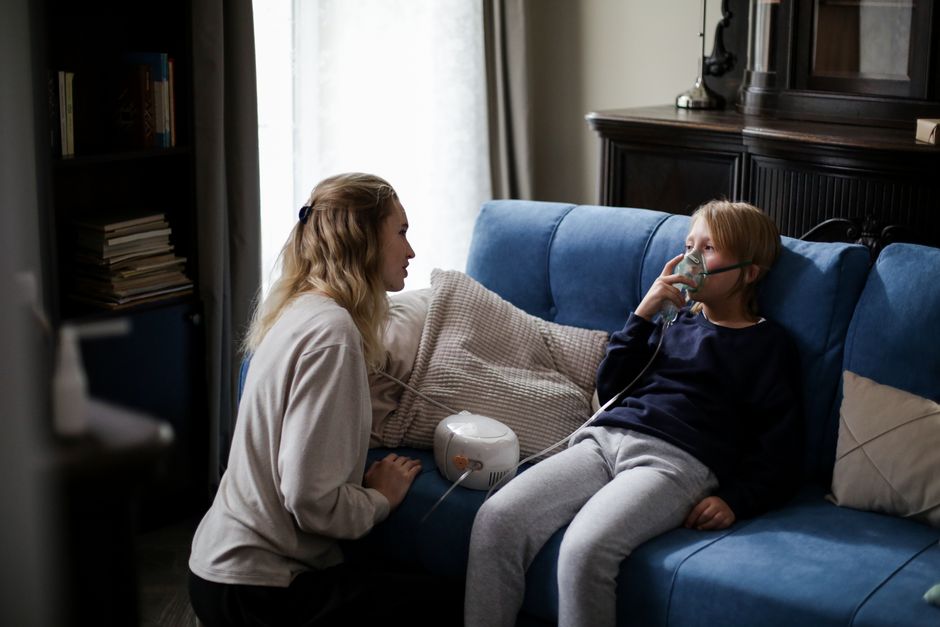
During recovery, basic tasks can become challenging. Showering while protecting a surgical wound. Getting dressed with limited mobility. Using the bathroom safely. Walking to the kitchen to prepare a meal.
In-home caregivers assist with these tasks while respecting your privacy and dignity. They help with bathing, grooming, dressing, and toileting as needed. They prepare meals in your kitchen according to your preferences.
This support can affect your mindset during recovery. When someone is helping you navigate these moments with respect and kindness, it may support your overall recovery experience.
Nutrition During Recovery
Recovery requires adequate nutrition. A caregiver can prepare meals that meet your nutritional needs without overwhelming you. They can also track whether you’re eating adequately and adjust meal plans as needed.
Preventing Isolation and Supporting Overall Well-Being
Recovery can be isolating. Regular companionship from a caregiver may help. They listen, engage in conversation, and help you stay connected to your life. This social engagement may support your overall well-being during recovery.
If you’re in Brazoria County and looking for professional support during recovery, Help Inc. coordinates in-home care that bridges medical needs with practical daily support.
Setting Up In-Home Care for Recovery

Start by talking to your doctor before discharge. Tell them you’re considering in-home support and ask what specific help would be appropriate for your recovery.
Next, be honest about your home setup. Do you have stairs? A shower that’s hard to access? Are there rooms you’ll spend most of your time in? Knowing your physical space helps your caregiver plan how to support you.
Think about your preferences too. Some people prefer chatty, upbeat support. Others prefer quiet, respectful assistance. The right match matters because this person will be in your home during your recovery.
Finally, communicate your recovery goals with your caregiver and healthcare team. A caregiver who understands your goals can tailor their support to what matters to you.
When you’re ready to explore your options, Help Inc. can walk you through how in-home care works and what to expect in your first week of recovery support.
Related: What to Expect From In-Home Senior Care: A Complete Guide
Related: Senior Home Care in Pearland, TX: A Complete Guide
Related: Senior Care Assistance in Texas Counties: Your Complete Guide
Related: Post-Surgery Home Recovery Assistance: A Complete Guide
Related: Affordable Senior Care in Brazoria County: Your Complete Guide
People Also Ask
How long do most people need in-home care during recovery?
Recovery timelines vary depending on your specific situation. Your doctor can give you a realistic estimate based on your diagnosis and circumstances. Many people start with full-time support and reduce hours as they regain independence.
Is in-home care during recovery covered by insurance?
Medicare, Medicaid, and many private insurers may cover certain types of recovery care. Coverage depends on your diagnosis, your policy, and whether your doctor writes an order for home health services. Check your specific plan and talk to your insurance company before discharge. Some people use a combination of insurance-covered medical care and privately paid non-medical support.
Can family members provide in-home care during recovery instead of hiring someone?
Family can help with recovery support. However, caregiving during recovery requires specific knowledge and skills. Family members may not be trained in safe lifting techniques, medication management, or recognizing changes that should be reported to your doctor. Having a professional handle specific care responsibilities can reduce burden on family members and support your recovery plan.
What’s the difference between in-home care and home health nursing during recovery?
Home health nursing is medical care provided by a licensed nurse and may include wound care, medical assessments, and other clinical services. In-home care focuses on practical support—meal prep, medication reminders, assistance with daily activities, companionship, and transportation. Most people recovering at home may use both services. A nurse may visit periodically for medical assessments. A caregiver may be there daily supporting your daily needs. Both work together to support your recovery.


