
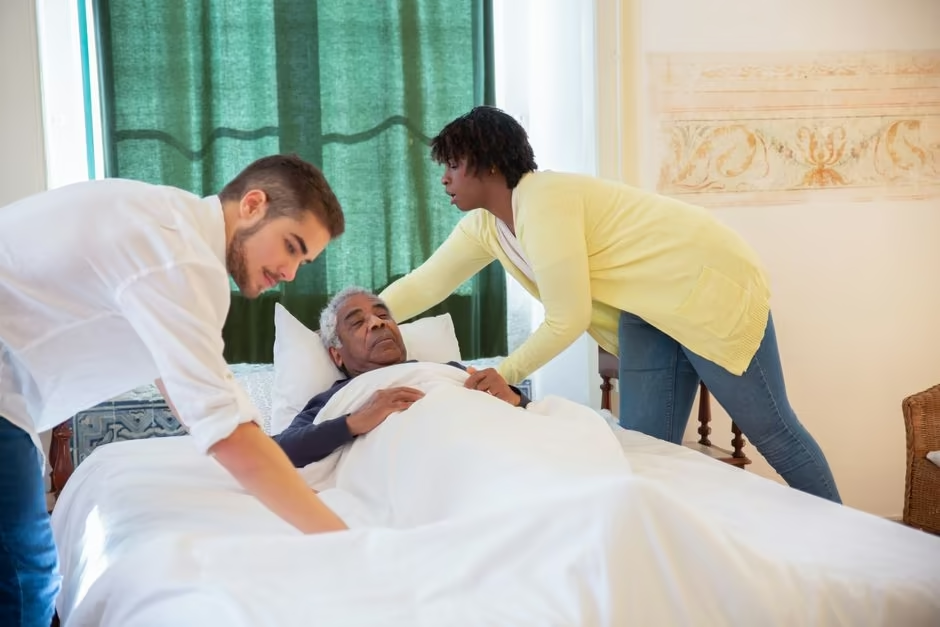
Bringing a loved one home after a stroke is a big step, and it comes with real challenges. Many people benefit from recovery in their own homes, surrounded by familiar faces and routines. Senior care after stroke recovery at home focuses on three things: helping your loved one relearn daily tasks, keeping them safe, and supporting their emotional well-being.
The recovery journey looks different for everyone, depending on which side of the brain was affected and how much help your loved one needs. The goal is to support independence and maintain quality of life. Let’s walk through what you need to know.
Start With Safety First: Making Your Home Stroke-Friendly
Before your loved one comes home, take a hard look at your living space. Some stroke survivors experience balance changes, weakness on one side of their body, or vision changes. These factors may increase fall risk, so home modifications are important.
Remove tripping hazards like throw rugs, cords, and clutter from walkways. Grab bars in the bathroom and bedroom can help with stability and confidence. Make sure hallways and stairways are well lit, especially at night. If your loved one uses a walker or wheelchair, make sure doorways are wide enough and furniture doesn’t block paths.
Think about where they’ll spend most of their time. Is the bedroom upstairs or downstairs? Can they access the bathroom easily? Would a shower chair or raised toilet seat be helpful? These practical changes can reduce frustration and support safe movement around the home.
Help With Daily Living Tasks (While Encouraging Independence)
This is where the real care happens. Your loved one may need support with eating, dressing, bathing, or using the toilet. The temptation is to take over completely. Instead, support them in doing as much as they can on their own.
Start with meals. Coordination changes might make eating challenging. Adaptive utensils with thicker handles can help. Serve softer foods if swallowing is difficult. Sit with them during meals, not just for safety but for company. Eating is social, and doing it alone can feel isolating.
Bathing requires special care. A stroke survivor might feel concerned about falling, or feel self-conscious about needing help. Use a shower chair, install grab bars, and keep the floor non-slip. Wash their hair if they ask, and let them do what they can. Dignity matters as much as cleanliness.
Dressing can be challenging when one side of your body has limited function. Button-up shirts and pants with zippers might feel difficult. Loose clothes with elastic waistbands and slip-on shoes are practical choices. Let them pick their own clothes when possible, even if it takes longer. Choice supports engagement and participation.
If managing these tasks feels overwhelming, or if you’re working full-time and can’t be there all day, professional caregivers can step in. Help Inc. provides personal care and meal preparation support in Brazoria County, so your loved one gets consistent help while you stay involved in their emotional care and decision-making.
Follow Medical Instructions and Track Progress
After a stroke, your loved one will likely have medications to take, doctor visits to attend, and possibly physical or speech therapy at home. Following medical guidance is important.
Create a simple routine. Set alarm reminders for medications. Keep a calendar of appointments visible on the fridge. Write down the dosage and time for each medicine in a place your loved one can see. Some people use a pill organizer by day and time, which can reduce confusion.
Keep track of progress, too. Note when your loved one first lifted their weak arm higher, or spoke more clearly, or walked a few extra steps. These small changes can feel meaningful during recovery. Share them with the medical team and acknowledge them together.
Related: In-Home Care During Recovery at Home: Complete Guide
Related: Senior Care for Dementia at Home: A Complete Guide
Related: Senior Home Care in Pearland, TX: A Complete Guide
Related: In-Home Care in Freeport, TX: A Guide to Senior Care Options
Create a Mental Health Safety Net

Related: Senior Care After Hip Replacement Surgery: A Recovery Guide
Stroke recovery can be emotionally challenging. Your loved one may feel scared, angry, frustrated, or sad that their body has changed. These feelings are completely normal. Don’t dismiss them.
Talk openly about how they’re feeling. Ask what they miss most. Listen without trying to fix everything right away. Some days they’ll feel hopeful; other days they won’t. Both are okay.
Mood changes are common after stroke. If your loved one loses interest in things they loved, experiences significant changes in sleep, or expresses concerning thoughts, contact their doctor. These are important to discuss with their healthcare team.
Connection matters. Have family visit. Help them video call friends. Put on music they love. Get them outside on nice days. These things are part of supporting overall well-being. When your loved one feels seen and valued, not just cared for, engagement increases.
Support Yourself So You Can Show Up for Them
Here’s the truth nobody tells you: if you burn out, your loved one suffers. Being a stroke caregiver is exhausting. You’re managing appointments, medications, physical tasks, and emotional support all at once. You’re also worried about the future. That’s a lot.
You need rest. You need help. You need time away. This isn’t selfish, it’s essential. Find respite care so you can take a few hours off. Ask family members to pitch in with specific tasks. Join a support group for caregivers if you can. Talking to people who understand what you’re going through makes a real difference.
If full-time caregiving isn’t realistic for your life, that’s okay. Help Inc. can provide companionship, light housekeeping, and help with daily tasks so you’re not doing it all alone. This isn’t giving up, it’s being smart about how to provide consistent support long-term.
Rebuild Purpose and Joy Beyond Recovery
Supporting your loved one includes helping them find meaning and engagement. That might look different than before. A person who loved golf might not play the same way, but they might enjoy watching it or going to the course to sit with friends.
Help them do the things that matter. If they loved reading, get audiobooks if their vision is affected. If they loved cooking, adapt the kitchen and cook together, even if they can only do part of the work. If they loved their garden, bring plants inside or adapt raised beds they can access from a wheelchair.
Small routines build meaning too. A morning cup of coffee with the newspaper. An afternoon walk around the block. A weekly lunch with a friend. These are activities that support quality of life.
When to Bring in Professional Help

You don’t have to do this alone, and most people benefit from additional support. Professional caregivers bring expertise, consistency, and a fresh perspective. They’re trained to spot changes in your loved one’s condition and adapt to their needs.
Whether you need someone a few hours a week or more regularly, Help Inc. offers in-home care in Brazoria County tailored to your family’s needs.
What’s the difference between occupational therapy and physical therapy after a stroke?
Physical therapy focuses on strength, balance, and mobility, like walking and climbing stairs. Occupational therapy teaches strategies for daily living tasks, like dressing, eating, and using the bathroom. Both may be part of your loved one’s care plan. Your loved one’s doctors will recommend what they need.
How long does stroke recovery usually take?
Recovery timelines vary significantly. Most people experience changes in the first three to six months, but recovery can continue over time. Every person is different. Some regain function more quickly, while others make steady progress over a longer period. Consistency with recommended therapy and a supportive environment are important.
What should I do if my loved one has another stroke?
Call 911 immediately. Time is critical with strokes. Signs include sudden weakness, speech problems, face drooping on one side, or vision changes. Don’t wait to see if it gets better on its own. Get emergency help right away.
How do I know if my loved one needs additional mental health support?
Watch for loss of interest in activities, significant changes in appetite or sleep, withdrawal from people, or concerning statements. Tell their doctor. These changes are important to discuss with their healthcare team, who can provide appropriate guidance.


