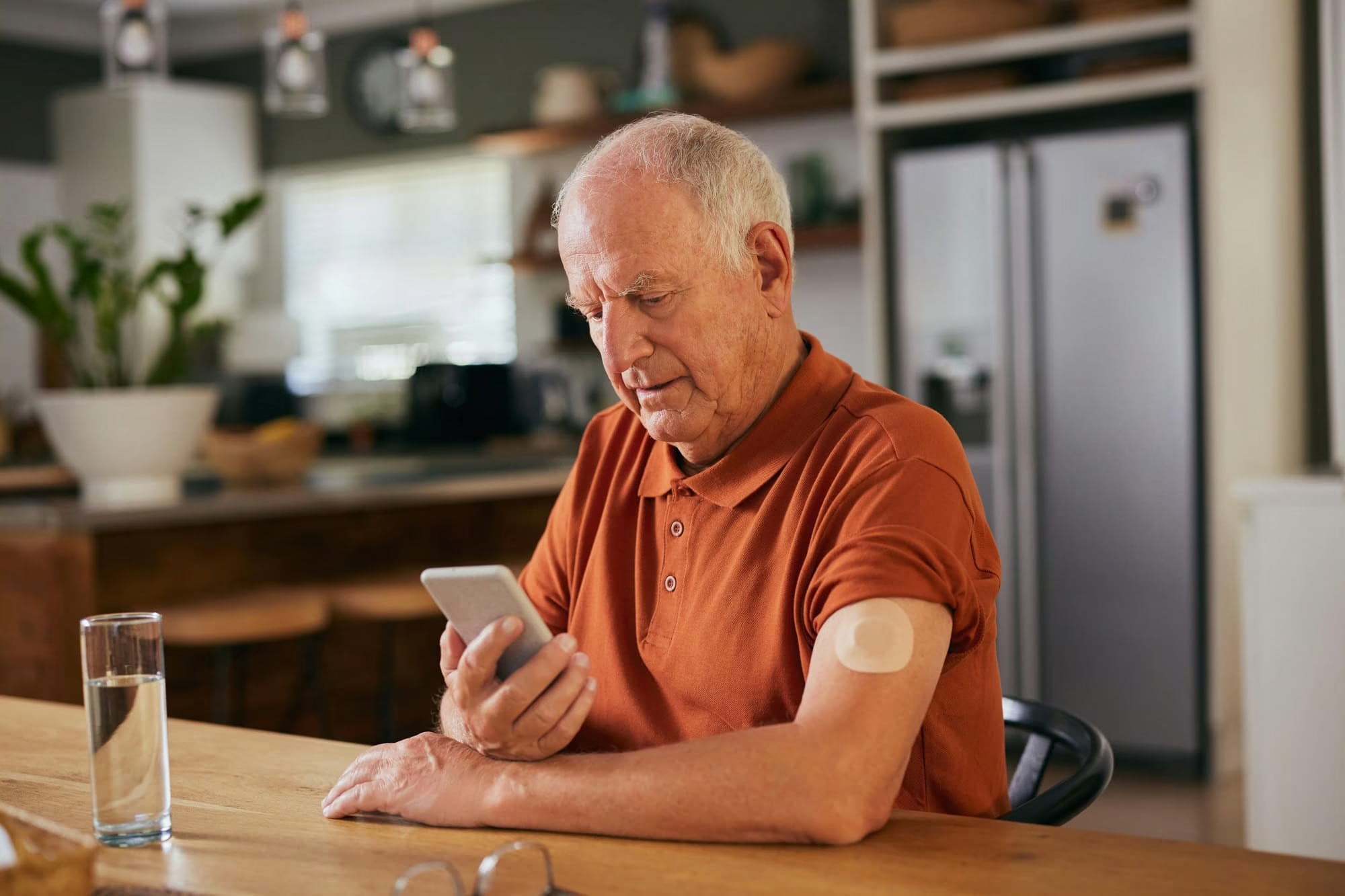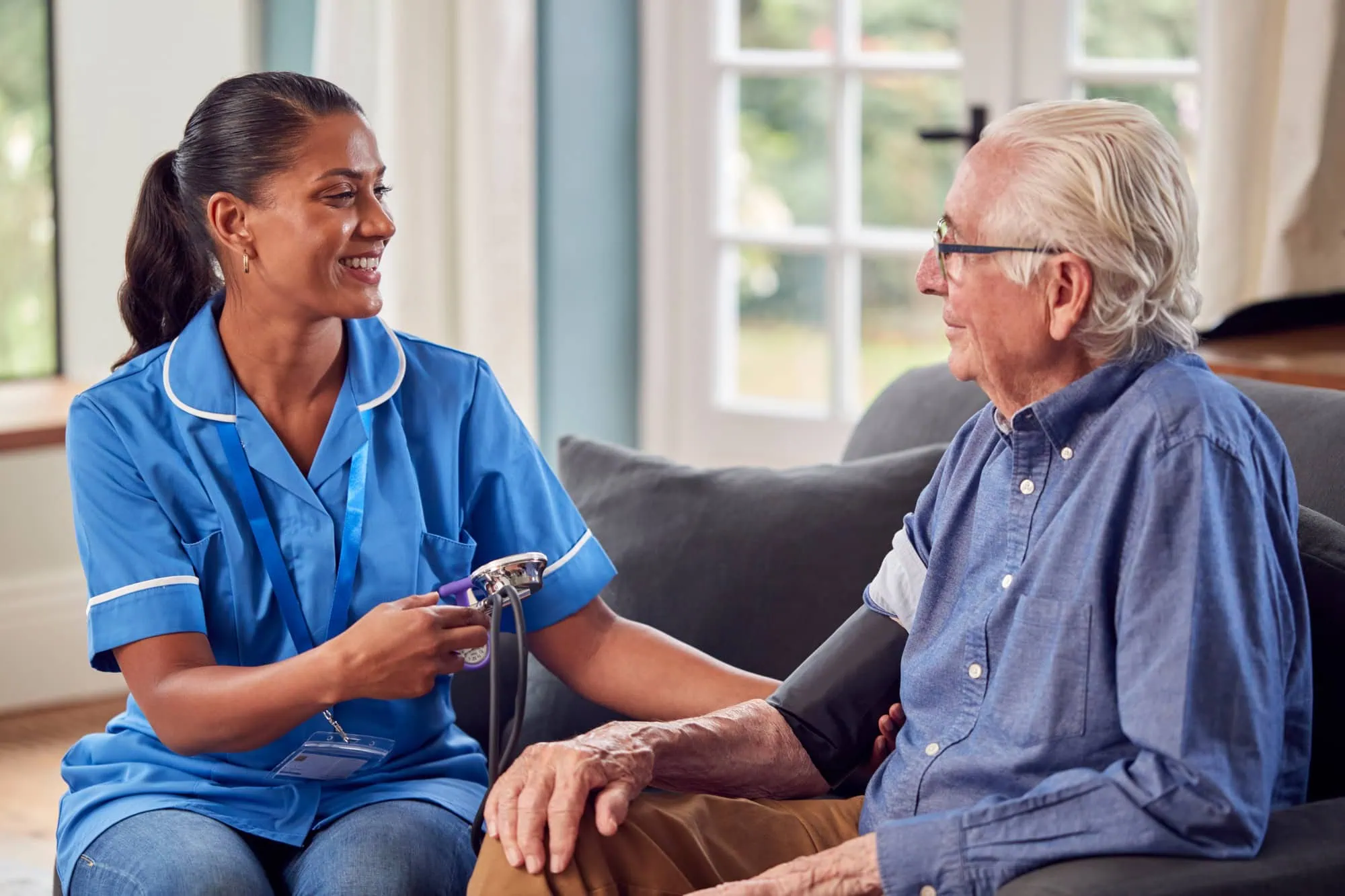
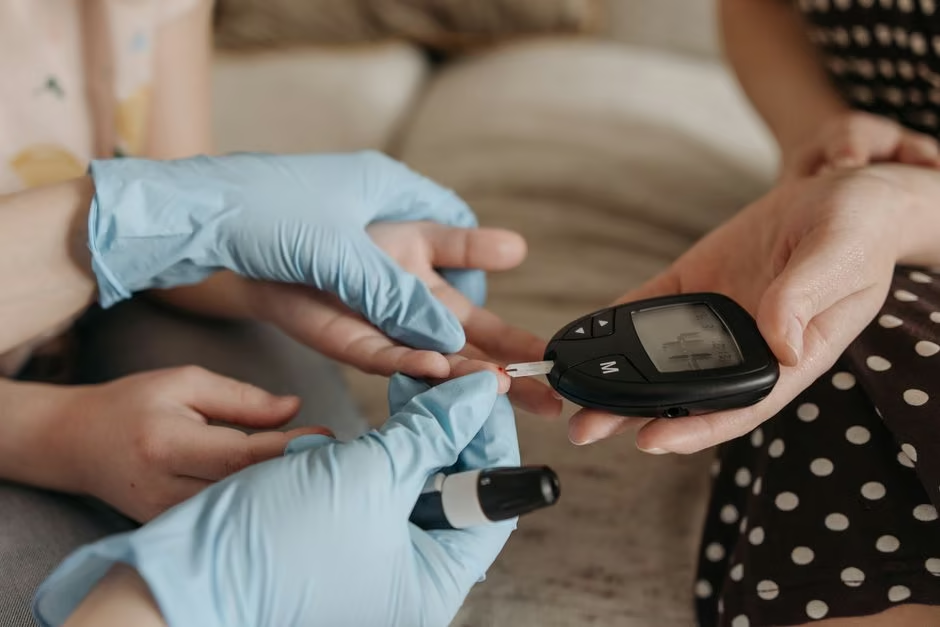
Caring for an elderly parent or spouse with diabetes at home is doable, but it takes planning and the right support. In-home care for diabetic elderly can mean the difference between your loved one living independently in their own space and struggling to manage medications, meals, and daily routines alone.
The good news: you don’t have to figure this out alone. Let’s walk through what in-home diabetic care looks like, what your loved one actually needs, and how to set them up for success.
Related: In-Home Care During Recovery at Home: Complete Guide
Related: Senior Care for Dementia at Home: A Complete Guide
Related: Part-Time In-Home Care for Working Families: A Guide
Related: In-Home Care in Freeport, TX: A Guide to Senior Care Options
Related: In-Home Care for Arthritis and Mobility Issues: A Guide
What In-Home Diabetic Care Really Means
In-home care for diabetic elderly involves supporting your loved one in managing their diabetes while living independently in their home.
This kind of care covers a few core areas:
- Helping with medication schedules and reminders
- Planning and preparing meals that work with their diabetes
- Monitoring for signs of low or high blood sugar
- Supporting daily routines related to diabetes management
- Making the home safer to prevent falls and injuries
- Providing companionship and emotional support
When you bring Help Inc. or another care provider into your home, you’re adding trained hands and experienced eyes to help you manage all of this. It’s not replacing your care, it’s making your care actually sustainable.
Start With a Personalized Care Plan
Every elderly person with diabetes is different. One person might struggle most with remembering insulin injections. Another might need help understanding portion sizes. A third might need support because of circulation concerns in their feet.
A personalized care plan starts by looking at your loved one’s specific situation:
- What type of diabetes do they have (Type 1, Type 2, or both)?
- What medications are they taking, and how often?
- Are there other health conditions affecting their diabetes management?
- What’s their living situation like (stairs, bathroom safety, kitchen access)?
- How independent do they want to be?
- What time of day do they need the most support?
Your care plan should be written down, shared with doctors, and reviewed every few months as things change. This isn’t something you guess at. Get specific.
Medication Management: The Foundation
If your loved one misses an insulin injection or takes their blood pressure medication twice by accident, their whole day falls apart. Medication management is the essential center of diabetic in-home care.
Here’s what good medication support looks like:
- A clear list of every medication, when it’s taken, and what it does
- A system (pill organizer, chart, phone reminders) that actually works for your loved one
- Someone checking in to make sure medications are taken on schedule
- Watching for any issues or concerns
- Keeping the doctor updated on how well the routine is working
Caregivers trained in diabetic care know how to spot if your loved one is confused about their medications. They can help prevent mistakes. This is why caregiver selection matters so much.
Meal Planning That Supports Diabetes Management
You can’t manage diabetes without managing food. Meals are where a lot of elderly diabetics need support, especially if they’ve never had to think about nutrition before.
In-home meal support includes:
- Planning meals that balance carbs, protein, and healthy fats
- Shopping for the right ingredients
- Preparing meals your loved one actually wants to eat
- Teaching them about portion sizes and timing
- Adjusting meals if they have swallowing problems, dental issues, or other complications
A caregiver can sit down with your loved one, figure out what foods they enjoy, and build a meal plan that works with their diabetes management without feeling like punishment. Diabetes doesn’t mean eating boring food at home. It means eating smart.
Daily Routines That Support Diabetes Management
Consistency matters for elderly diabetics. Eating at the same times, taking medications on schedule, moving their body regularly, and getting good sleep all support diabetes management.
When your loved one has support at home, they can actually stick to a routine. A caregiver can help by:
- Making sure meals happen at regular times
- Encouraging gentle movement (walks, stretching, light housework)
- Helping them get to bed on a consistent schedule
- Checking in when stress or emotions are running high
- Keeping their living space organized so daily tasks are easier
It sounds simple, but most elderly people living alone drift into irregular routines. In-home support brings structure back.
Home Safety for Elderly Diabetics
Elderly people with diabetes may be at higher risk for falls and injuries. A safe home means:
- Clear pathways (no tripping hazards, clutter, or loose rugs)
- Good lighting, especially in hallways and bathrooms
- Grab bars in the shower and near toilets
- A way to call for help if they fall
- Footwear that fits well and has good grip
- Checking their feet regularly for cuts or sores they might not notice
Caregivers can spot safety issues you might miss and help your loved one move through their home with confidence.
Recognizing Warning Signs at Home

This is critical: caregivers and family members need to know the signs that blood sugar levels may be changing. Recognizing these signs early is important.
Signs of low blood sugar (hypoglycemia):
- Shaking or sweating
- Sudden irritability or confusion
- Weakness or fatigue
- Hunger and dizziness
- Fast heartbeat
Signs of high blood sugar (hyperglycemia):
- Increased thirst
- Frequent urination
- Blurred vision
- Fatigue
- Headaches
When an in-home caregiver spots these signs, they know to act and contact doctors if needed. This is why having trained support in your home is valuable.
Quality of Life Beyond Just Managing Numbers
Managing diabetes at home involves supporting your loved one in living independently. It’s about dignity, independence, and quality of life.
Good in-home care means your elderly parent or spouse can:
- Stay in their home and community they know
- Keep their hobbies and interests alive
- Spend time with family without stress taking over
- Feel supported, not controlled
- Age with grace, not fear
If you’re managing diabetes care for an elderly loved one and feeling stretched too thin, that’s a sign you need more hands on deck. Help Inc. provides in-home care that lets you stay engaged as family while bringing in trained support for the daily living parts. Your loved one gets support, and your relationship gets stronger because it’s not all about managing illness anymore.
Choosing the Right In-Home Care Support
Not every caregiver is trained for diabetic care. When you’re choosing support, look for:
- Experience with elderly diabetics specifically
- Training in medication management and safety
- Understanding of meal planning for diabetes
- Ability to recognize signs of blood sugar changes
- Communication skills (they need to report to you and listen to your loved one)
- Patience and a genuine interest in your loved one’s wellbeing
The fit matters. Your loved one should feel comfortable with their caregiver. There should be trust, respect, and real connection. This isn’t just about tasks; it’s about someone becoming part of your family’s life.
When you’re ready to explore options for in-home diabetic care in your area, start with a conversation about what your loved one actually needs. Every situation is different, and the right support is tailored to your family’s unique circumstances.
Frequently Asked Questions
Can my elderly parent manage their diabetes alone at home?
Some elderly people manage fine alone, especially if their diabetes is well-controlled and they have simple routines. But many need support with medications, meal planning, or monitoring. If you’re concerned about their safety or managing their health, it’s time to add support. There’s no shame in that; it’s smart caregiving.
What’s the difference between in-home care and home health nursing for diabetic elderly?
In-home care includes personal care, meal preparation, medication reminders, and daily support to help your loved one stay independent and safe. Home health nursing is more clinical and focuses on medical tasks. Many elderly diabetics benefit from a combination, but discuss your loved one’s specific needs with their doctor.
How often should my loved one’s blood sugar be monitored at home?
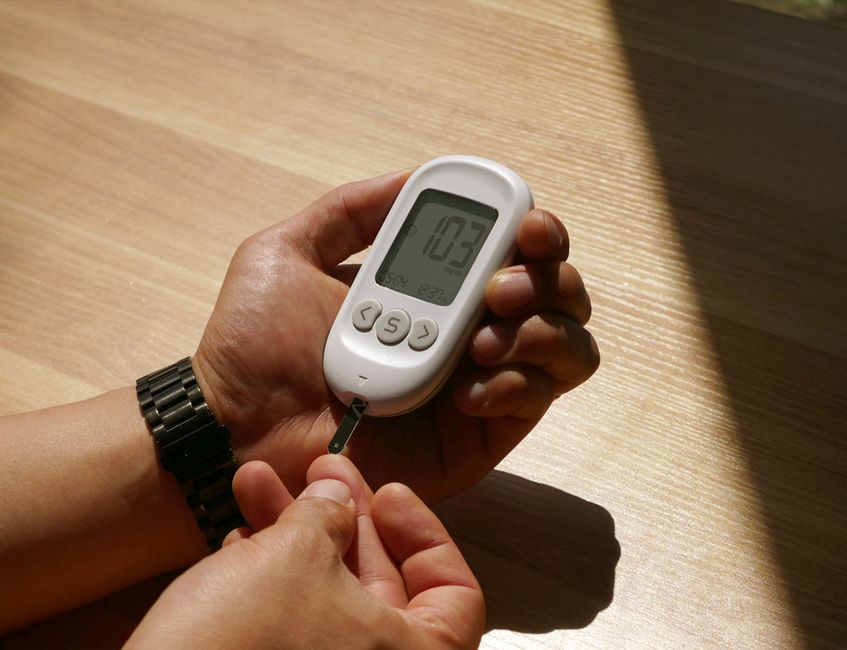
This depends on their type of diabetes, medications, and their individual situation. Your loved one’s doctor will give you a specific monitoring schedule. A good caregiver will know how to check blood sugar, record results, and share that information with you and their healthcare team.
What if my loved one refuses to accept help managing their diabetes?
Resistance is common, especially if they value independence. Start by framing help as support for the things they want to do, not control. A caregiver who builds trust and treats them with respect can often help. Sometimes a gentle conversation from their doctor also helps.