
If you’re looking for elderly personal care services in Clute, you’re dealing with one of the biggest decisions in your parent’s or spouse’s life. The good news? You have real options, and help is closer than you think.
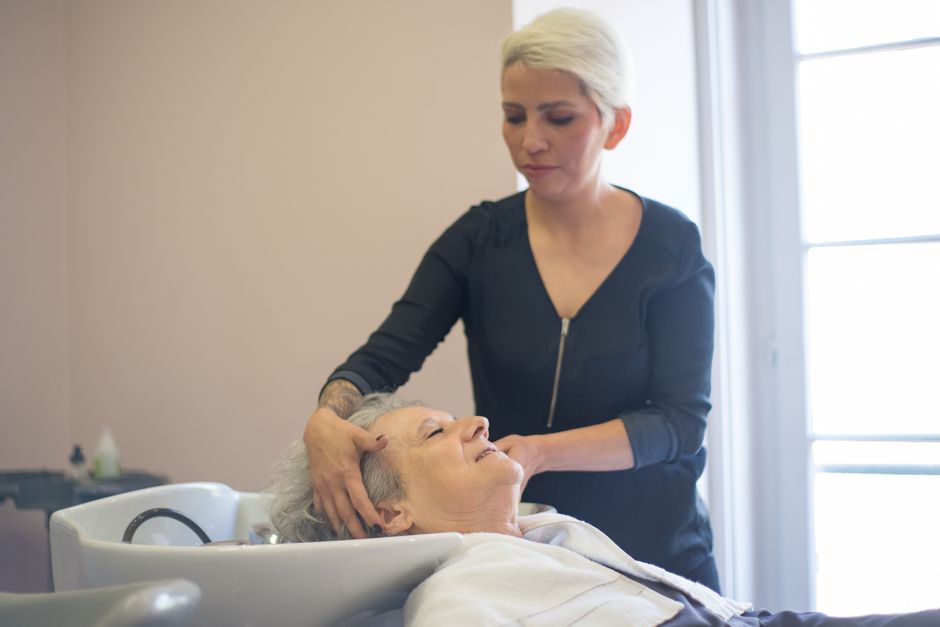
Personal care services mean someone comes to your loved one’s home to help with daily activities like bathing, dressing, grooming, toileting, and mobility. It’s not nursing care (though some services include that too). It’s the day-to-day dignity stuff that keeps your parent or spouse living independently at home instead of in a facility.
Let’s walk through what’s actually available in Clute, how much it costs, and how to find the right fit for your family.
Related: Non-Medical Home Care for Seniors: What It Is & When You Need It
What Elderly Personal Care Services Actually Includes
Personal care is different from medical care, and that matters. Here’s what you’re typically getting:
Related: Dignity and Respect in Elderly Personal Care: A Complete Guide
- Activities of daily living (ADL) help: Bathing, showering, getting dressed, grooming, using the toilet, managing continence
- Mobility assistance: Getting in and out of bed, walking safely, transferring from chair to chair
- Meal prep and eating: Planning meals, cooking, feeding assistance if needed
- Light housekeeping: Tidying, laundry, dishes, keeping the home safe
- Companionship: Someone to talk to, company during the day, medication reminders (non-medical)
- Transportation: Rides to appointments, grocery shopping, errands
Some Clute providers also offer skilled nursing services like wound care or IV management, but that’s the medical side of things. Start by figuring out what your loved one actually needs help with, then match that to the right service level.
Elderly Personal Care Services Available in Clute Right Now
Clute is a small community in Brazoria County, so your options are more limited than in Houston, but they do exist. The primary provider in the area is Caring Senior Service, which has established trust and availability in Clute. Beyond that, there are roughly 18 caregivers listed on Care.com for the Clute area, though quality and availability vary widely.
Related: Senior Companion Care in Lake Jackson: What You Need to Know
If you’re serious about finding someone reliable, Help Inc. serves Clute and surrounding areas in Brazoria County. They handle both personal care and medical support, which means you’re not juggling multiple providers if your loved one’s needs change.
Here’s the reality: small towns sometimes mean fewer choices, but that’s also why having a dedicated local provider matters. You want someone who knows Clute, knows the local hospitals, and isn’t a stranger driving in from 45 minutes away.
How Much Does It Cost?
This is the question everyone asks first, and rightfully so.
In Clute, you’ll see caregiver rates averaging around $15.00 per hour on independent platforms (as of August 2026). That sounds cheap, but here’s the catch: those rates usually don’t include background checks, training, liability insurance, or the company’s vetting process.
For comprehensive in-home care services through an established provider, you’re looking at $30-35 per hour in the Brazoria County area. That’s higher, but what you’re actually paying for is:
Related: In-Home Care in Alvin, TX: What You Need to Know
Related: In-Home Care West Columbia TX: What You Need to Know
Related: In-Home Care in Angleton, TX: What You Need to Know
Related: In-Home Care Brazoria County: Find Services Near You
- Screened, trained caregivers with proper background checks
- Liability and insurance protection
- A company that replaces caregivers if someone calls out
- Accountability if something goes wrong
- Coordination with your loved one’s care plan
Twenty hours a week of care at $35/hour is $700/week, or roughly $2,800/month. That’s real money. But it’s also the difference between your mom staying home with dignity and your family scrambling to cover shifts.
Medicare and Medicaid: Does Insurance Cover This?

Here’s where it gets confusing, so pay attention.
Medicare does NOT typically cover personal care services. Medicare covers skilled nursing (like wound care or physical therapy after surgery), but not the daily help with bathing and dressing. There are rare exceptions if your loved one qualifies for specific Medicare Advantage plans, but don’t count on it.
Medicaid is different. Texas Medicaid does cover certain in-home services through programs like the Home and Community-Based Services (HCS) waiver. If your parent or spouse has limited income and assets, they may qualify. But the process is slow, the paperwork is thick, and you need to start yesterday to get approved.
Your best move? Contact a provider directly and ask about their insurance acceptance. If your loved one has private insurance (not Medicare), check with that carrier too. Some do cover portions of personal care, especially in post-surgical recovery situations.
How to Choose the Right Personal Care Provider in Clute
You’re not just hiring someone to help your parent bathe. You’re bringing a stranger into your family’s most vulnerable moments. That matters.
Step 1: Define what you actually need. Don’t hire for everything right away. Start with the specific help your loved one can’t do alone. Personal care? Transportation? Meal prep? Companionship? Be honest about what would make the biggest difference.
Related: Companion Care vs Personal Care Services: What’s the Difference?
Step 2: Ask about screening and training. A real provider will tell you exactly how they vet caregivers, what background checks they run, and what training they require. If they’re vague, keep looking.
Step 3: Meet the caregiver first. Schedule a meet-and-greet before anyone starts. Your loved one needs to feel comfortable with this person. Chemistry matters. If it’s not there, it won’t work.
Step 4: Start small and scale up. Begin with a few hours per week. See how it goes. Adjust as needed. You’re not locked in forever.
Step 5: Get everything in writing. Hours, rates, what’s included, cancellation policy, backup coverage if the regular caregiver is sick. This protects both of you.
When you’re ready to move forward, Help Inc. has a straightforward process for getting started. Call them to discuss your specific situation.
The Difference Between Personal Care and Skilled Nursing
People confuse these all the time, so let’s clarify.
Personal care: Help with bathing, dressing, toileting, eating, mobility. A caregiver does this. No medical license required. This is what most families in Clute need.
Skilled nursing: Wound care, IV therapy, medication management, health monitoring, pain control. A licensed nurse does this, usually after a hospital stay or for a serious condition. More expensive, often covered by Medicare or insurance for specific time periods.
Many providers in the Clute area offer both, which is actually useful. Your loved one might need skilled nursing for the first month after surgery, then transition to personal care for ongoing support. Having one provider handle both is easier on your family.
Red Flags to Watch For
Not every caregiver or service is created equal. Watch out for:
- Providers who won’t provide references or won’t let you meet the caregiver first
- Caregivers who pressure you to pay in cash with no receipt
- Anyone who seems uncomfortable answering questions about their background or training
- Services that can’t explain what happens if your regular caregiver calls out sick
- Red flags for elder abuse or neglect, like your loved one being withdrawn, fearful, or having unexplained bruises
Trust your gut. If something feels off, it probably is.
Getting Started With Personal Care in Clute
Here’s the honest path forward:
1. Have a conversation with your loved one. This isn’t about “we’re putting you in care.” It’s about “how can we help you stay at home and stay independent?” Most people want to age at home. Make that happen.
2. Assess what help is actually needed. Mobility issues? Memory problems? Just can’t manage the housework anymore? Different needs call for different solutions.
3. Research local options. Look up Caring Senior Service, check online reviews, ask your loved one’s doctor for referrals, talk to friends and family in the area.
4. Get pricing and insurance details in writing. Don’t assume. Ask. Confirm.
5. Schedule consultations. Talk to at least two providers. Feel out their approach. Ask hard questions.
When you call, be ready to explain your parent’s or spouse’s situation. The more detail you give, the better the recommendation you’ll get back. Help Inc. can walk you through this over the phone.
Why Local Matters
Clute is small enough that having a provider who knows the community, knows the local hospitals and doctors, and can respond quickly if something goes wrong actually matters. A big national chain might sound impressive, but when your mom needs help at 2 a.m., you want someone local who can be there.
Personal care is fundamentally about relationships and trust. You’re not buying a product. You’re partnering with someone to keep your loved one safe, comfortable, and independent at home. That partnership is easier to build with a local provider who’s invested in your community.
How quickly can I get a caregiver in Clute?
It depends on availability and your needs. A personal care provider like Caring Senior Service or Help Inc. can often place someone within a few days to a week. If you need specific credentials or medical skills, it might take longer. Call early and don’t wait until you’re in crisis mode.
What if my loved one refuses in-home care?
This is super common. People lose independence gradually and don’t always see why they need help. Start with small things: “I’m hiring someone to help with yard work and heavy cleaning.” Then expand. Frame it as supporting their independence at home, not replacing it. Sometimes a trial period (just a few weeks) helps them get comfortable with the idea.
Can I hire a caregiver directly without going through an agency?
Technically yes, but it’s risky. You’re responsible for vetting, taxes, workers’ compensation, and what happens if they don’t show up or your loved one gets hurt. An agency handles all that. It costs more per hour, but it’s worth it for peace of mind and legal protection.
How do I know if my loved one needs personal care or assisted living?
Personal care is for people who can live at home with some help. Assisted living is for people who can’t live at home safely anymore (memory loss, severe mobility issues, multiple medical needs). If your loved one is still mentally sharp, can make decisions, and just needs help with daily tasks, personal care at home is usually the better choice. It’s cheaper and they stay in a familiar environment.


