
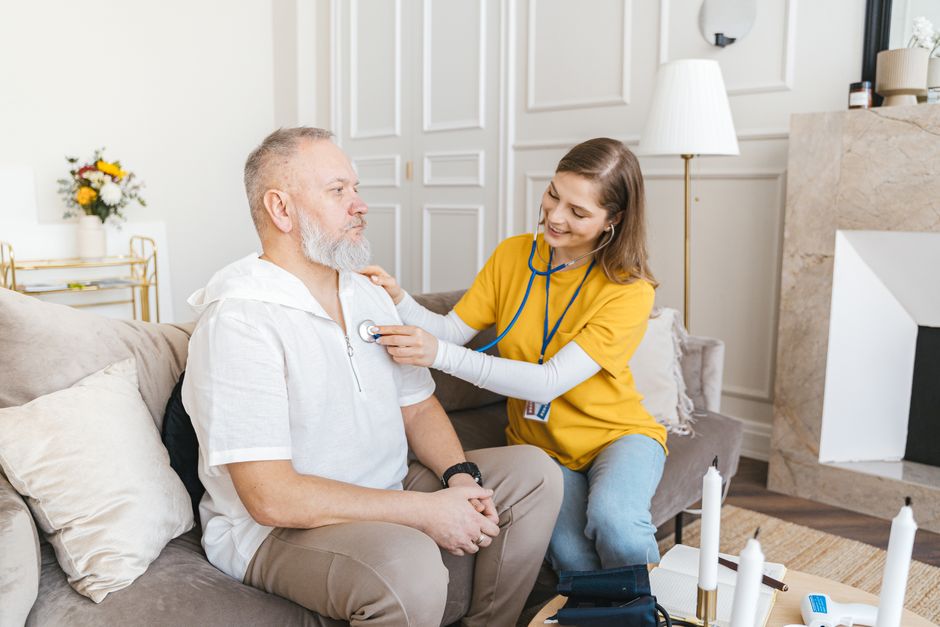
If you’re searching for in-home care in Angleton, TX, you’re probably facing one of life’s biggest decisions: how to help your aging parent or spouse stay at home while getting the support they need. The good news? Angleton and the surrounding Brazoria County area have solid options for both medical and non-medical in-home care services.
Let’s walk through what in-home care actually looks like, what’s available to you locally, and how to pick the right fit for your family.
Related: In-Home Care in Alvin, TX: What You Need to Know
Related: Non-Medical Home Care for Seniors: What It Is & When You Need It
What Exactly Is In-Home Care in Angleton?
In-home care isn’t one thing. It’s a whole spectrum of services that help people stay in their own homes instead of moving to a facility.
Non-medical in-home care includes things like help with bathing and dressing, meal prep, light housekeeping, laundry, and transportation to appointments or errands. It also covers companionship, which matters more than you’d think when someone is lonely or grieving independence.
Related: Senior Companion Care in Lake Jackson: What You Need to Know
Medical or skilled in-home care involves nurses or trained healthcare workers who handle medication management, wound care, vital sign monitoring, and support related to ongoing health conditions. This is what you need if your loved one is in a post-surgical period or managing a serious illness at home.
Both types are available throughout Angleton, Lake Jackson, Bay City, Sweeny, Clute, Brazoria, and West Columbia. The key difference? Non-medical care helps with daily living. Skilled care handles medical needs. Many families need both.
Why Choose In-Home Care for Your Loved One?
Staying home isn’t just about comfort, though that matters. It’s about dignity.
Related: In-Home Care West Columbia TX: What You Need to Know
Your parent or spouse knows their own home. They have their routine, their favorite chair, their memories on the walls. Moving to a facility means losing that. In-home care lets them maintain their independence while getting help where they actually need it.
Plus, home is a familiar environment. And family visits feel more natural, more like real time together instead of a scheduled event in a sterile hallway.
For you as a caregiver, in-home care can be a lifesaver. You don’t have to handle personal hygiene tasks that damage the relationship with your parent. You don’t have to choose between your job and their care. You can be a son or daughter again, not just a nurse.
What Services Are Actually Available in Angleton?
Angleton has a real selection of providers. Here’s what you can typically find:
- Personal care: Help with bathing, grooming, dressing, and toileting.
- Meal preparation: Cooking, grocery shopping, meal planning for dietary needs.
- Medication management: Reminders, organization, and administration by trained staff.
- Wound care and vital monitoring: For post-surgical periods or ongoing medical conditions.
- Specialized dementia care: If your loved one has Alzheimer’s or other memory loss, providers can offer trained support.
- Transportation: Rides to doctor appointments, errands, or social activities.
- Light housekeeping: Laundry, dusting, vacuuming, bathroom cleaning.
- Companionship: Someone to talk to, watch TV with, or just be present so they’re not alone.
- 24-hour care: If your loved one needs round-the-clock support, that option exists.
Not every provider does everything, so you’ll need to ask what matches your situation.
How to Find the Right In-Home Care Provider

Choosing a provider is personal. Here’s what to think about:
Start with your loved one’s actual needs. Do they need help walking and bathing, or just meal prep and company? Do they need skilled nursing for a medical condition? Be honest about what you can’t handle yourselves.
Ask about caregiver training and background checks. You’re inviting someone into your home and your parent’s life. It matters that they’re vetted, trained, and trustworthy.
Look for flexibility. Your needs might change in three months. Can the provider adjust hours or services without making you jump through hoops?
Check how they match caregivers to clients. Do they listen to personality fit? If your mom doesn’t click with the first caregiver, will they try someone else?
Related: Elderly Personal Care Services in Clute: What You Need to Know
Ask about continuity. Can the same caregiver come regularly so your loved one builds trust? Constant turnover is hard on everyone.
Understand the cost and what’s covered. Some services may be covered by Medicare, Medicaid, or long-term care insurance. Ask the provider to explain what applies to you.
If you’d rather have a partner handling the logistics and vetting, Help Inc. serves Angleton and the surrounding area with care plans tailored to what your family actually needs.
Medical vs. Non-Medical: What’s the Difference for You?
This matters because it affects what insurance covers and what you’ll pay out of pocket.
Home health (medical/skilled care) is what you need if your loved one has a recent diagnosis, is in a post-surgical period, or has an ongoing condition that needs professional medical management. A nurse or physical therapist might come several times a week. This is often covered by Medicare or insurance if it’s ordered by a doctor.
Home care (non-medical) is for daily living help. Bathing, cooking, laundry, company. Insurance rarely covers this fully, so it often comes out of pocket. But it’s usually less expensive per hour than skilled nursing.
Many people need both at different stages. Someone might get skilled nursing for the first month after hip surgery, then transition to non-medical care to help them stay independent at home long-term.
What to Expect When Care Starts
A good provider will start with an assessment. They’ll talk to you and your loved one about health history, daily routines, mobility, diet, medications, and what matters most.
From that, they’ll create a care plan. Not a generic checklist, but something that fits your actual life. What time does your parent wake up? Do they like their independence on some tasks but need help with others? What would make them feel most comfortable?
Then a caregiver comes at the scheduled time. There’s often an adjustment period where everyone gets used to each other. That’s normal.
Good providers check in regularly. They notice if something’s changed medically. They listen if your family says something isn’t working. They adjust as needed.
When you’re looking at providers in Angleton, Help Inc. prioritizes personalized attention and ongoing communication with families.
Making the Money Work

In-home care is an investment. How you pay for it depends on your situation.
Medicare: Covers skilled nursing and some therapy if it’s ordered by a doctor and meets specific conditions. Usually short-term, not long-term daily help.
Medicaid: In Texas, Medicaid can cover some in-home care for eligible people. Rules are specific, so ask providers if they’re familiar with Texas Medicaid.
Long-term care insurance: If your loved one has a policy, it might cover in-home care. Check the details.
Out of pocket: Many families pay directly for non-medical care or for hours beyond what insurance covers.
Get a clear quote and ask what’s included. Does the provider charge by the hour or by the visit? Are there minimums? What happens if you need to cancel?
People Also Ask
Is in-home care more affordable than assisted living?
It depends. Non-medical in-home care is often less expensive than a facility, especially if your loved one doesn’t need round-the-clock care. Skilled nursing care can be pricey either way. The real difference is that home care lets you scale up or down more easily. You can start with a few hours a week and adjust as needs change, without paying for a full bed somewhere.
How do I know if my parent is ready for in-home care?
When they’re struggling with tasks they used to do easily (bathing, cooking, getting around) but they’re still mentally sharp and want to stay home, in-home care is often the right answer. If they’re having memory loss or behavioral changes, talk to their doctor first to rule out underlying issues. Then a care assessment can help you decide.
What if my parent refuses help?
This is common. Start with a conversation about what they actually need. Sometimes accepting help is easier if they feel they chose it. Try a trial period. And sometimes a professional caregiver has an easier time than family. The care worker isn’t a reminder of lost independence; they’re just someone there to help with a task.
Can in-home care work for dementia?
Yes. Providers in Angleton offer specialized dementia care. Caregivers trained in dementia care know how to communicate, handle confusion, and keep routines that help someone with memory loss feel comfortable. Specialized care is important here because regular care doesn’t always work well for someone with Alzheimer’s or similar conditions.


