
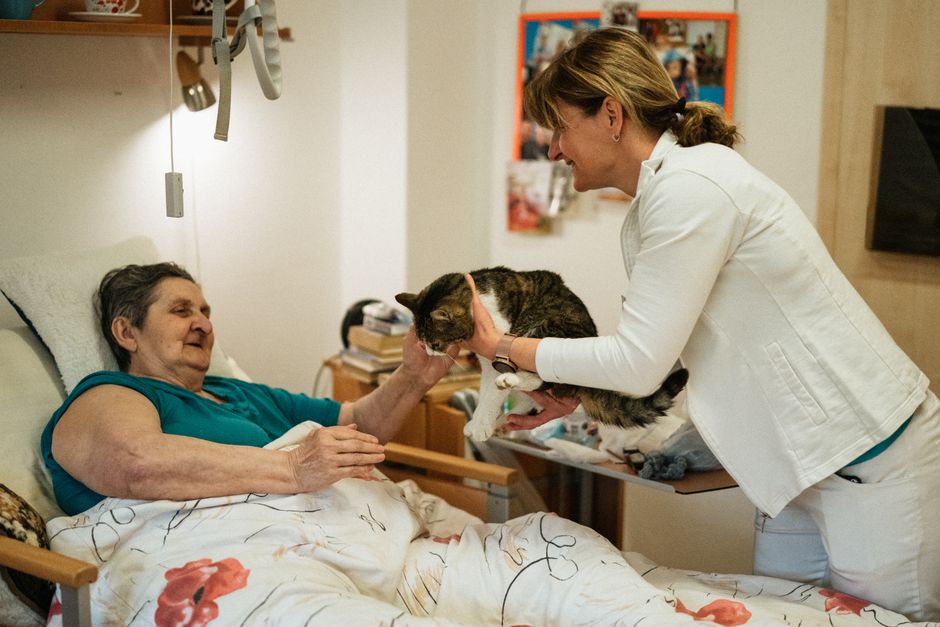
If your aging parent or spouse is spending too much time alone, companion care for isolated seniors in Brazoria County can provide consistent human connection and daily support to help seniors stay engaged and living independently at home.
What Companion Care Actually Is
Companion care focuses on social engagement and daily support rather than medical tasks. A trained companion visits your loved one regularly, sits with them, talks with them, and helps with the routines that fill a day.
This might look like a morning conversation over coffee, helping organize the kitchen, accompanying them to a doctor’s appointment, or just being present while they work through a puzzle or watch their favorite show. It’s straightforward support that involves regular, caring human contact.
Why Connection Matters for Seniors
When seniors are isolated, they may skip meals, neglect personal care, miss appointments, or stop doing the activities that keep them engaged. Companion care introduces consistent, positive human interaction into your loved one’s week. A regular companion becomes a friendly face they look forward to seeing.
Related: Companion Care vs Personal Care Services: What’s the Difference?
What Companion Care Includes
Here’s what companion care can provide:
- Friendly conversation and social engagement. Your loved one gets to talk about their day, their memories, their interests—with someone who’s genuinely listening.
- Supervision and presence. A companion can help with mobility, watch for fall hazards, and keep an eye on daily routines.
- Assistance with personal care and daily living tasks. This includes reminders about hygiene, help getting dressed, and support with grooming.
- Accompaniment on outings and appointments. Whether it’s a ride to the grocery store, a doctor’s visit, or just a walk around the neighborhood, a companion makes these trips easier.
- Help with household routines. Simple things like keeping the kitchen organized, helping with light tidying, and structuring the day can support your loved one’s daily life.
Who May Benefit From Companion Care

Companion care may be valuable if your loved one lives far from family, has lost a spouse or close friends, has mobility limitations that keep them homebound, or needs extra support during the day.
It’s also helpful for adult children who want to provide quality care for aging parents but can’t be there in person every day. A companion can check in regularly and help with daily routines.
Getting Started With Companion Care in Brazoria County
If you think your loved one could benefit from companion care, start by understanding what services are available and what financial support might help cover the cost.
Related: Meal Preparation Service for Elderly in Brazoria County
Brazoria County offers resources through programs like CIHCP, which provides health care benefits for certain services. You can reach out to the county’s Angleton office or the Alvin office to learn what your loved one might qualify for.
You can also contact the county resource line for more information about programs and services in your area.
If you’d rather work with a dedicated in-home care provider who specializes in companion support, Help Inc. offers companion care services specifically designed for seniors in Brazoria County. They handle the matching, scheduling, and ongoing coordination so you can focus on your loved one instead of the logistics.
Questions to Ask Before Choosing a Companion Care Provider
Once you’ve identified a few options, here’s what matters:
- How do they match companions with clients? A good fit is personal, not just logistical.
- What training do their companions have? Look for caregiving experience and background checks.
- How flexible are they with scheduling? Your loved one’s needs may shift over time.
- What if the regular companion gets sick or needs time off? Is there backup coverage?
- How do they handle communication? Can you get updates on how your loved one is doing?
- Do they offer short-term respite options if you just need temporary coverage?
Making Companion Care Part of Your Care Plan

Companion care works best when it’s part of a bigger picture of your loved one’s support. If they also need help with meal prep, light housekeeping, or transportation to appointments, those services can often be coordinated together.
The key is consistency. Your loved one benefits most when they see the same companion on a predictable schedule. This builds trust and gives them something to look forward to.
If you’re ready to explore what companion care could look like for your family, Help Inc. can walk you through how it works and answer questions specific to your situation. They serve Brazoria County families directly and understand the needs of seniors in the area.
FAQs About Companion Care for Isolated Seniors
Does companion care cost a lot?
Costs depend on how often your loved one needs visits, how long each visit is, and what services are included. Some county programs help cover companion care as part of health benefits, and respite care options can be shorter-term and more affordable. The best step is to ask a provider like Help Inc. for a quote based on your loved one’s specific needs.
Is companion care covered by Medicare or insurance?
Medicare typically doesn’t cover companion care on its own, but some supplemental plans and county health programs may help. Medicaid in Texas can cover certain in-home support services through programs like CIHCP. Contact your county office or your insurance provider to find out what’s available to you.
What if my loved one is resistant to having a companion?
Start a conversation about it as a way to give them more independence and freedom, not as a burden. Sometimes seniors worry about strangers in their home, so finding the right personality match is important. A good provider takes time to understand your loved one’s preferences and will work on building that relationship gradually.
Can companion care be part of overall support?
Companion care can be part of a broader support plan for your loved one. Having someone to talk to, do activities with, and share the day with can be meaningful. If your loved one is dealing with serious concerns, they may benefit from professional counseling or other services in addition to companion care.


