

Finding the right meal preparation service for an elderly loved one in Brazoria County can feel overwhelming, especially when you’re juggling work, family, and caregiving responsibilities. The good news is that several solid options exist right here in your community, and they’re designed specifically to help seniors with meal preparation and planning.
If your parent or spouse needs help preparing meals at home, or if you’re looking for meal preparation support, a meal preparation service might be exactly what you need. These services provide meal preparation and delivery—they understand dietary restrictions, manage portion sizes, and can accommodate specific dietary needs. This guide walks you through what’s available in Brazoria County, how to find the right fit for your loved one, and what to expect when you start.
What Is a Meal Preparation Service for Elderly Adults?
A meal preparation service for seniors provides meal preparation and planning support tailored to your loved one’s preferences and dietary requirements.
Here’s what typically happens: A caregiver or meal prep specialist visits your loved one’s home and either prepares fresh meals on-site or delivers pre-planned meals tailored to their dietary requirements. This might include accommodations for specific dietary needs, low-sodium options, diabetic-friendly options, or allergies. The meals are portioned appropriately, stored safely, and sometimes left with simple reheating instructions.
Many services also combine meal prep with other support—like light housekeeping, helping with grocery shopping, or organizing the kitchen. It’s about maintaining quality of life at home.
Meal Prep Options Available in Brazoria County
Your county has several established programs and services to choose from, each with different eligibility requirements and service models.
In-Home Meal Preparation
This is a customizable option. A caregiver comes to your loved one’s home, assesses their preferences and dietary needs, and prepares meals right there in their own kitchen. Some services in Brazoria County specialize in this hands-on approach, working with your family’s input to create menus that meet your loved one’s preferences and dietary requirements.
The benefit here is that your loved one gets meals prepared according to their preferences, and they’re in a familiar environment. Caregivers can also assist with food handling, organize pantries, and identify expired items.
Home Delivered Meal Programs
If your loved one prefers meals ready to eat or reheat, several Brazoria County programs deliver directly to their door. These services focus on seniors who are homebound or have transportation challenges. Meals are typically portioned and designed for older adults.
To find out what’s available, you can contact the Home Delivered Meals program directly or visit brazosporthomedeliveredmeals.org. They can walk you through what’s available for your specific situation.
Food Box Delivery for Seniors
Brazoria County also offers a Food Box Delivery Program specifically for seniors 70 and older who have disabilities or transportation limitations. The program provides home-delivered boxes of groceries and prepared food items. It’s income-based and restricted to Brazoria County residents, but it’s a resource worth exploring if your loved one qualifies.
Understanding Eligibility in Brazoria County
Most meal services in your area have some basic eligibility criteria. Here’s what you need to know before you call.
Age and residency: Most county-specific programs target seniors 70 and older, though some accept younger individuals with disabilities. You must be a Brazoria County resident to access county-run programs. If you’re in Angleton, Alvin, Pearland, or surrounding areas, you’re covered.
Income requirements: Some programs are income-based, meaning there’s a maximum household income to qualify. Others operate on a sliding scale or are available to anyone who needs them. Ask directly about this—many families assume they don’t qualify and never check.
Functional limitations: Programs usually prioritize people who have difficulty preparing meals due to mobility issues, cognitive decline, illness, or transportation barriers. If your loved one has difficulty managing meal preparation, they likely qualify.
Dietary needs: Services that accommodate specific diets typically require documentation of dietary requirements. This is a good thing—it means they’re taking nutrition seriously.
How to Start: A Step-by-Step Approach

Getting a meal service set up doesn’t have to be complicated. Here’s the realistic process.
Step 1: Assess what your loved one actually needs. Can they still cook a little, or do they need full meal preparation support? Do they have dietary restrictions? Do they live alone or with family who helps? Are they able to reheat food, or do they need everything ready-to-eat? These questions shape which service makes sense.
Step 2: Call the programs directly. Start with Home Delivered Meals or reach out to the Medication Assistance Program offices in Angleton or Alvin. These folks know the local landscape and can tell you what’s available for your specific situation. Hours are typically 8 AM to 12 PM and 1 PM to 5 PM on weekdays.
Step 3: Ask about dietary accommodations. Before committing, confirm that the service can handle your loved one’s needs. If they have specific dietary requirements or allergies, make sure the provider is set up to manage that appropriately.
Step 4: Discuss cost and payment. Some programs are subsidized by Brazoria County and free or low-cost. Others are private and charge per visit or per meal. Ask about all options, including whether Medicare, Medicaid, or private insurance covers any portion.
Step 5: Start small and adjust. Many families do a trial period—maybe one or two meal visits a week—to see how it goes. Your loved one might have preferences you hadn’t considered, or the service might suggest menu options you hadn’t thought of.
Combining Meal Prep with Other In-Home Support
Here’s something important: meal prep doesn’t exist in a vacuum. Most seniors who need help with meals also benefit from support with other daily activities—bathing, light housekeeping, medication management, or just having someone check in on them regularly.
Some in-home care services combine meal preparation with bathing assistance, housekeeping, and companionship. This integrated approach means one trusted caregiver handles multiple needs, which many families find less disruptive and more practical than calling multiple services.
When you’re evaluating options, ask whether the provider can bundle services. Can the person who preps meals also help your loved one with other tasks? Can they do light tidying while they’re there? This kind of coordination can be helpful for your loved one’s quality of life and your peace of mind.
Red Flags and What to Watch For
Not all meal services are created equal. Here are some things to pay attention to.
- Does the provider ask detailed questions about dietary restrictions and allergies before agreeing to serve your loved one? If they brush this off, walk away.
- Do they provide written information about what they’ll prepare, or is it vague? You want specifics.
- Can you speak to a real person who can answer your questions, or is everything routed through an automated system?
- Do they have experience working with seniors specifically? There’s a difference between a personal chef and someone trained in elder nutrition and meal preparation.
- Will they work with your loved one’s other healthcare providers, like their doctor or nutritionist?
Getting Started with Comprehensive In-Home Support
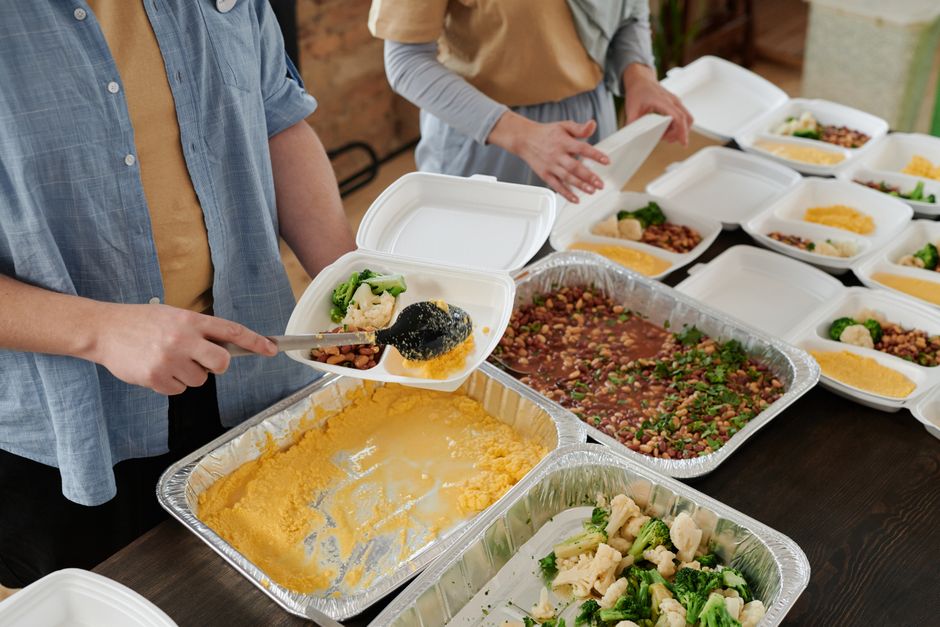
If your loved one needs meal prep plus help with other daily tasks, Help Inc. offers personalized in-home services in Brazoria County that can be tailored to your family’s needs. From meal planning and preparation to housekeeping and personal care, having coordinated support means your loved one can stay home and you can focus on being a family instead of a full-time caregiver.
The decision to bring in outside help is deeply personal. But it’s also a practical way to make sure your loved one receives meal preparation support and maintains the independence and dignity that matter most.
People Also Ask
How much does a meal preparation service cost in Brazoria County?
Cost varies widely depending on whether you use a subsidized county program or private services. County-run meal delivery programs are often free or low-cost; private in-home meal prep typically ranges from $25 to $50 per visit depending on complexity and meal type. Always ask about financial assistance programs—many families qualify and don’t realize it.
Can meal prep services handle specific dietary needs?
Yes, most established services can accommodate specific dietary requirements. However, you need to tell them upfront and provide documentation if required. Some services work directly with your loved one’s doctor or nutritionist to create meal plans. Always confirm this capability before signing up, especially if your loved one has specific dietary needs. For questions about whether a service is appropriate for your loved one’s individual situation, consult with their healthcare provider.
What if my loved one has difficulty swallowing or chewing?
Several services in Brazoria County have experience with texture-modified diets. This is a specialized need, so you’ll need to discuss it directly with the provider. They may need documentation from a healthcare professional. Don’t assume it’s not available; ask. Consult with your loved one’s healthcare provider about appropriate meal options for their specific needs.
Can I get meal prep combined with other types of in-home care?
Absolutely. Many families find it’s more practical to use one provider who handles multiple needs—meal prep, housekeeping, bathing assistance, and companionship—rather than juggling multiple services. Ask providers whether they offer bundled services or can coordinate with other caregivers in your home.


