
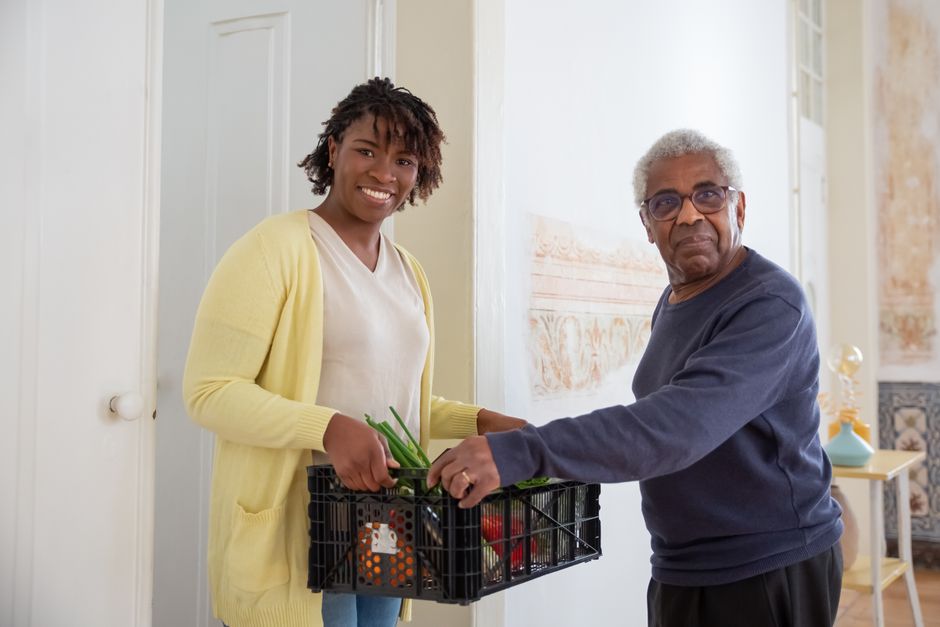
Organizing help for seniors at home starts with one simple truth: an organized space supports independence. When your parent or spouse knows exactly where their medications are, where to find their favorite foods, and how to move through their bedroom without obstacles, they can maintain their routines more easily.
The trick is organizing thoughtfully—not just shoving things in drawers, but creating systems that work with how seniors actually live. Let’s walk through each room and build an organization plan that sticks.
Related: Errand & Transportation Help for Seniors in Angleton, TX
Related: Transportation Assistance for Seniors in Pearland: Your Complete Guide
Related: Light Housekeeping for Seniors Near Me: A Local Guide
Start With Medications: The Most Critical Room
Medication management is where organization matters most. Confusion about what to take when is one of the biggest concerns in a senior’s home.
Use a weekly or daily pill organizer—the kind with labeled compartments for each day and time of day. Fill it once a week (ideally on the same day) so your senior only has to grab the right compartment at the right time. No thinking. No mistakes.
Keep the organizer in the kitchen where they eat breakfast, lunch, or dinner. That’s the natural trigger to take their pills. Store the original bottles nearby in a cabinet they can easily reach—not up high, not in a cluttered drawer. Label everything clearly with large, easy-to-read text.
If your loved one has trouble with even a simple organizer, or if you’re concerned about medication management, professional support can help. Help Inc. can assist with medication reminders and organization as part of daily in-home care.
Organizing the Kitchen for Easy Access
The kitchen is where your senior spends a lot of time, and it’s also where things get cluttered fast. Expired food, pots shoved in the back, spices they never use—it all adds up.
Start by clearing out anything expired, broken, or unused. Be ruthless. Then organize what’s left by how often it’s used.
- Everyday items (plates, bowls, cups, utensils) go in easy-to-reach cabinets and drawers at waist height. No bending, no reaching overhead.
- Snacks and breakfast foods go at eye level on shelves or in labeled containers. If they like oatmeal for breakfast, put it front and center.
- Cooking oils, spices, and condiments go in a single cabinet or drawer, grouped logically so they’re easy to find.
- Refrigerator leftovers should be stored in clear containers so your senior can see what’s there.
Label everything with large, clear text. A senior should be able to find what they need without asking you.
Bedroom Organization: Comfort and Accessibility
Your senior’s bedroom should be a calm, accessible space where they can dress and rest comfortably.
Start with the closet. If your parent or spouse has limited mobility, simplify their wardrobe. Keep only clothes that fit well and that they actually wear. Group items by type: shirts together, pants together, socks together.
Use a labeling system so they can grab what they need. For example, label drawers: “Socks,” “Underwear,” “Pajamas.” If folding is hard, hang more items instead of folding them.
In the bedroom itself, clear pathways from the bed to the door and from the bed to the bathroom. Remove throw rugs, cords, and clutter from walkways. Keep a nightlight on so they can navigate in the dark. Place a lamp or light switch within arm’s reach of the bed.
Bedside tables should hold only essentials: a lamp, a glass of water, reading glasses if needed, tissues, and a phone. Nothing else. This keeps the space organized and restful.
Bathroom Organization: Accessibility and Clarity

Bathrooms are spaces where clear organization matters. Organizing this room well supports accessibility and ease of use.
Start by removing anything unnecessary. Old medications, expired toiletries, clutter on shelves—it all goes. What’s left should be things your senior actually uses daily.
Group bathroom items by purpose in clear, labeled containers:
- Hair care items in one spot
- Skincare products in another
- Toothbrush, toothpaste, and mouthwash together
- Towels rolled neatly on a shelf or in a rack
Store everything at waist to eye level. Nothing should require bending down or reaching overhead. Keep the floor completely clear of clutter. Wipe up spills immediately. Consult with your senior or a healthcare professional about grab bars or other accessibility features that may be helpful.
Document and File Organization
Important papers pile up: medical records, insurance documents, financial statements, legal papers. Your senior needs to find these quickly if they need them, and you’ll need to know where they are if something happens.
Create a simple filing system with labeled folders for each category:
- Medical records and doctor’s contact information
- Insurance cards and policy numbers
- Medications and pharmacy information
- Legal documents (will, power of attorney, living will)
- Financial records and bills
- House and vehicle documents
Store these in a single file cabinet or box in an easy-to-reach location. Make a copy of the most important documents and keep one set with you. Some seniors also benefit from a binder with emergency information—medical history, allergies, medications, emergency contacts—kept right on the kitchen counter.
Closet Systems That Work Long-Term
A well-organized closet is a practical tool for independence. When your senior can pick out their own clothes without getting overwhelmed, it supports their ability to manage daily routines.
Start by removing anything that doesn’t fit, anything they haven’t worn in a year, and anything that’s damaged. Aim for a smaller wardrobe of clothes they actually like and wear.
Organize by type and season. In winter, keep winter clothes at eye level. In summer, rotate them out. Use hangers in the same color so the closet looks calm and organized. Label shelves if there are multiple storage areas.
If your senior has trouble matching clothes or making decisions, you can organize by outfit: hang matching sets together so they can grab a complete look without thinking.
Labeled Storage Throughout the Home

Labels are your best friend when organizing help for seniors at home. Large, clear labels help your loved one find things independently and give you peace of mind.
Label every container, shelf, drawer, and cabinet. Use labels with large print and high contrast (dark text on light background, or light text on dark background). Print or write labels by hand—just make sure they’re easy to read.
Use the same system throughout the house so it feels consistent. For example, if you use blue labels for daily items and yellow labels for seasonal items, that pattern should work in the kitchen, bedroom, bathroom, and garage.
Color-coding can also help. Red for important documents, green for medications, blue for household supplies. Pair colors with labels so there’s no confusion.
Garage and Other Spaces
Don’t forget the garage, entryway, or any other space your senior uses. Garages especially can become cluttered: loose tools, unstable shelves, piles of items in walkways.
Clear pathways. Store frequently used items at waist height. Get rid of broken tools, old paint cans, and anything that creates clutter. If your senior likes to garden or do light projects, keep those supplies organized in a specific area with clear labels.
An organized garage means your senior can grab what they need without calling for help, and you won’t worry about accessibility issues.
When Organization Becomes Overwhelming
Sometimes organizing a senior’s entire home is a big project, and sometimes your loved one resists or gets frustrated. That’s completely normal. Organizing takes time, patience, and often a second pair of hands.
If you’re managing this alone while juggling work, family, and your own life, or if your senior needs daily help staying organized, Help Inc. offers in-home support that includes light housekeeping, organizing spaces, and helping maintain systems you’ve set up. Sometimes the kindest thing you can do is bring in help so you can focus on being a son or daughter, not a housekeeper.
The Ongoing Work of Organization
Here’s the thing about organizing for seniors: it’s not a one-time project. Things shift, items get misplaced, new items come in. Plan to do a quick review every few months—maybe spring and fall—to tidy up and relabel as needed.
Involve your senior in the process if they’re able. Ask them what they want where. Let them decide what to keep and what to donate. When they have a say in their own organization, they’re more likely to maintain it.
The goal isn’t perfection. The goal is a home where your loved one can find what they need and maintain their routines. That’s organizing help for seniors done right.
How do I organize medications for a senior who forgets to take them?
Use a daily or weekly pill organizer with clear labels for each day and time. Keep it in a high-traffic area like the kitchen where they eat. Set a phone alarm or use a medication reminder app as a backup. If your senior still struggles, a caregiver can provide medication reminders and supervision.
What’s the best way to organize a closet so a senior can dress independently?
Start small: keep only clothes they wear and that fit well. Use matching hangers to reduce visual clutter. Organize by type (shirts, pants, sweaters) so items are easy to find. Consider organizing by outfit if they have trouble matching clothes. Label shelves clearly if you use them for folded items.
How often should I reorganize a senior’s home?
Do a quick review every couple of months to relabel items, remove clutter, and make sure systems are still working. If your senior’s mobility or needs change, you may need to adjust your organization system sooner.
What should I do if a senior refuses to let me organize their home?
Respect their autonomy, but talk about specific concerns. Focus on high-traffic areas like the bathroom and kitchen first. Let them guide the process and have the final say on where things go. Sometimes it takes time for seniors to feel comfortable with changes.


