
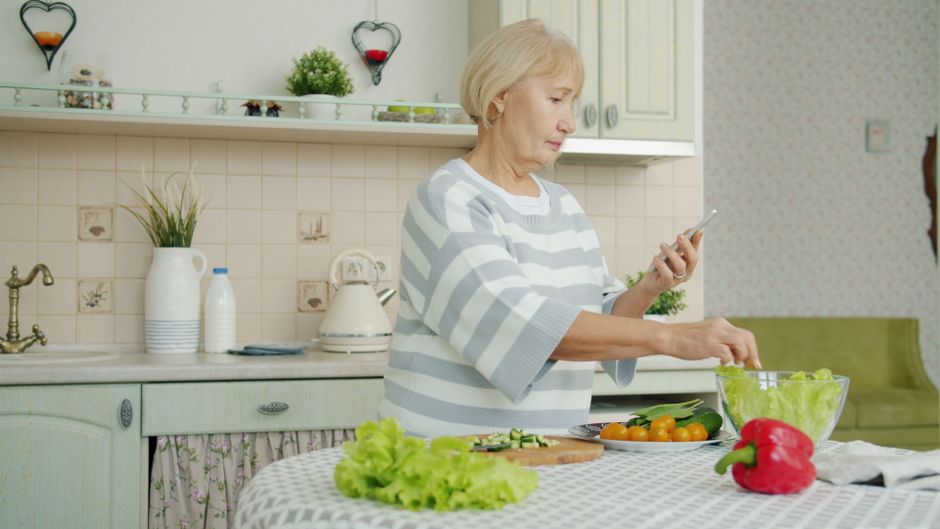
Maintaining independence while aging at home is absolutely possible—and it’s what most people actually want. Independence and support can work together. With the right setup, support, and mindset, you can age in place while keeping control over your life, your choices, and your dignity.
Let’s walk through what really matters and how to make it happen.
1. Make Your Home Age-Friendly (Starting Now)
An age-friendly home is the foundation of independence at home. This isn’t about making your space look like a hospital or feel institutional—it’s about removing obstacles that get in the way of doing what you love.
Start with the basics:
- Remove throw rugs and clutter from hallways and walkways
- Install grab bars in the bathroom near the toilet and shower
- Improve lighting throughout the home, especially stairs and entryways
- Make sure light switches are easy to reach
- Consider a walk-in shower or tub with a low threshold
- Keep frequently used items at waist or eye level to avoid bending and stretching
The World Health Organization publishes detailed age-friendly environment standards that go deeper, but these small changes make a real difference in your day-to-day life.
2. Stay Physically Active (Even If You Think You’re Too Old)
Movement is one of the strongest predictors of independence as you age. You don’t need a gym membership or a trainer—just consistent activity.
What works:
- Walking (even 20-30 minutes most days)
- Strength training with light weights or resistance bands (twice a week is enough)
- Balance exercises like tai chi or standing on one leg
- Flexibility work like stretching or yoga
Physical activity keeps your muscles strong and supports balance. It also supports mental health, which is just as important for independence.
3. Build and Maintain Your Social Connections
This one surprises people, but social connection matters for overall well-being. When you feel isolated, your quality of life can decline.
Staying socially engaged means:
- Regular contact with family and close friends
- Joining clubs, classes, or community groups that interest you
- Volunteering (if you’re able)
- Using technology to stay connected with people you care about
- Finding new friendships through shared hobbies or interests
People who maintain friendships and feel socially important tend to stay more engaged and independent longer. It’s not just nice to have—it’s essential.
4. Manage Your Health Proactively

Staying on top of your health is how you protect your independence. This means regular check-ups, managing chronic conditions, and being honest with yourself about what’s changing.
Related: Signs Your Aging Parent Needs In-Home Help
The practical side:
- Keep a list of all your medications and why you take them
- Schedule annual check-ups with your doctor
- Manage conditions like diabetes, blood pressure, and heart disease
- Get vision and hearing checked regularly
- Talk to your doctor about fall risk and bone health
Addressing health concerns early can help support your independence.
5. Get Help Without Losing Control
Here’s the thing many people miss: getting support doesn’t mean you lose independence. In fact, the right kind of help lets you stay independent longer by handling the stuff that wears you out.
In-home caregiving support can look like:
- Help with meals and light housekeeping
- Transportation to appointments and errands
- Companionship and activities
- Personal care assistance (bathing, dressing, grooming)
- Help with medication reminders
You stay in your own home, make your own decisions, and maintain your routines. The support is there to fill in the gaps so you can focus on what matters to you.
6. Plan for Safety Without Giving Up Freedom
Safety planning is about being smart and preventing accidents that could affect your independence.
Key safety moves:
- Install a medical alert system if you live alone
- Keep a phone within reach at all times
- Use night lights and motion-sensor lighting
- Wear non-slip shoes or slippers
- Have a plan for what to do if you fall
- Let trusted people know your daily routine
These aren’t about restricting yourself—they’re about giving yourself peace of mind and your family reassurance. Big difference.
7. Stay Mentally Engaged and Purposeful

Independence is also about feeling like your life has meaning. When you stop learning, creating, or contributing, you may lose motivation.
Ways to stay engaged:
- Read, do puzzles, or learn something new
- Pursue hobbies and interests
- Spend time with family and friends
- Help others (even in small ways)
- Work on projects or goals that matter to you
People who feel purposeful tend to maintain engagement and independence. Your mind is just as important as your body.
Putting It All Together
Maintaining independence while aging at home isn’t one thing—it’s a combination of smart choices about your environment, your health, your relationships, and your support system. When you get these elements right, aging at home becomes not just possible, but genuinely fulfilling.
If you’re at the point where you need help managing some of these areas—especially with daily tasks like cooking, cleaning, or transportation—that’s exactly what Help Inc. is designed for. Families in Brazoria County often find that adding the right in-home support lets their loved one stay home longer and maintain independence on their own terms.
People Also Ask
Can you maintain independence while getting in-home care?
Yes, absolutely. In-home caregiving is different from institutional care because you stay in your own home, keep your own schedule, and make your own decisions. The caregiver is there to help with specific tasks—meal prep, transportation, housekeeping—so you can focus on the things that matter to you. You’re in control.
What’s important for independence as you age?
Staying physically active is significant. Movement supports muscle strength and balance. Everything else gets harder if your body weakens. Even gentle, consistent activity makes a difference.
How do I know when I need help at home?
When daily tasks start taking longer or making you anxious—that’s your signal. You might struggle with bathing, cooking, cleaning, or getting to appointments. Needing help doesn’t mean you’re failing. It means you’re smart enough to ask for it so you can keep doing the things you love.
What should I consider about aging in place?
Planning ahead is important. Remove fall hazards, improve lighting, install grab bars, and have a safety plan. If you live alone, consider a medical alert system. And if you need daily support, in-home caregiving lets you stay at home while receiving assistance. Consult with your healthcare provider about your specific situation and needs.


