

When your aging loved one is going through cancer treatment, the day-to-day reality shifts fast. Appointments, medical needs, and emotional ups and downs become your new normal. Many seniors benefit from recovery at home, surrounded by familiar faces and their own space.
Elderly care during cancer treatment involves more than medical supervision. It’s about helping your loved one with daily tasks, manage practical needs they can’t do alone, and feel supported through a challenging time. Here’s what you need to know to do it well.
Coordinate Care Across All Healthcare Providers
Your loved one’s cancer care involves multiple doctors: the oncologist, primary care physician, specialists, and sometimes a palliative care team. These providers need to talk to each other. Gaps in communication lead to confusion, missed information, and duplicate or conflicting advice.
Create a central hub where you organize all medical information. Keep a notebook or shared digital file with:
- Current medications and dosages
- Appointment dates and who’s treating what
- Test results and imaging reports
- Side effects and reactions
- Questions for the next appointment
Before each appointment, ask the doctor which other specialists they’re communicating with. Don’t assume they are. Speak up if you notice gaps. You’re the quarterback of your loved one’s care, and clear communication between providers is important.
Nutrition and Appetite Management During Recovery
Cancer treatment can affect appetite. Your loved one might lose interest in food, experience taste changes, or deal with nausea that makes eating difficult. Proper nutrition supports your loved one’s wellbeing during this time.
Related: In-Home Care During Recovery at Home: Complete Guide
Related: In-Home Care for Arthritis and Mobility Issues: A Guide
Related: In-Home Care in Freeport, TX: A Guide to Senior Care Options
Start here:
- Offer small, frequent meals instead of three large ones. Six small meals may work better than trying to finish a full plate.
- Focus on protein: eggs, yogurt, beans, fish, chicken, nuts, and nut butters.
- Make eating easier. Soft foods, soups, smoothies, and pureed options require less effort to consume.
- Honor cravings. If your loved one wants certain foods, go with it.
- Keep hydration simple. Water, broth, juice, and herbal tea all count. Sip throughout the day rather than forcing large amounts at once.
- Avoid strong smells. Even the smell of cooking can trigger nausea. Open windows, use exhaust fans, or consider preparing meals outside the main living space.
If your loved one loses significant weight or can’t keep food down after a few days, tell their doctor.
Help with Daily Tasks and Household Management
During recovery, even small tasks can be challenging. Showering, laundry, cooking, and cleaning require energy when your loved one is already managing treatment.
This is where practical support makes a real difference. Your loved one may need help with:
- Meal preparation and cleanup
- Light housekeeping and tidying
- Laundry and changing bedsheets
- Bathing and personal grooming if needed
- Transportation to appointments
- Picking up medications
You might handle some of this yourself, ask family to rotate in, or bring in professional support. If managing these tasks on your own is becoming overwhelming, that’s a sign it’s time to call for backup. Help Inc. provides in-home care services that handle meal prep, housekeeping, and companionship so you can focus on being present emotionally rather than managing logistics alone.
Rebuilding Strength and Managing Mobility

Cancer treatment can affect muscles and stamina. Your loved one may feel unsteady or tired after short walks. Rebuilding physical function takes time and careful planning.
Work with their healthcare team to understand what movement is appropriate. Some seniors benefit from physical therapy; others just need gentle encouragement to stay active within their limits.
Movement options include:
- Short walks around the house or neighborhood, even 5-10 minutes at a time
- Seated exercises like arm lifts or leg extensions if standing feels too difficult
- Balance work to reduce fall risk
- Stretching to maintain flexibility
- Gradual increases in activity as your loved one feels able
Never push your loved one into activity they’re not ready for. Fatigue is real. The goal is consistent, gentle movement that your loved one can manage over time.
Sleep Quality and Rest During Recovery
Cancer treatment can disrupt sleep in multiple ways. Pain, nausea, anxiety, and medication effects all can interfere with rest. Rest is important during this time.
Create conditions that support rest:
- Keep the bedroom cool, quiet, and dark
- Stick to a consistent bedtime, even if your loved one rests during the day
- Avoid screens an hour before bed
- Try relaxation techniques: deep breathing, gentle music, or guided meditation
- Talk to their doctor if pain or nausea is preventing sleep. Sometimes a timing adjustment to medications may help.
Many people need extra rest during the day while also resting at night. Work with the pattern your loved one has.
Managing Stress and Emotional Wellness
The emotional experience of cancer treatment is significant. Your loved one may feel anxiety, grief, anger, or a mix of emotions.
Create space for these emotions:
- Listen without trying to fix or minimize their feelings
- Offer counseling or support groups specifically for cancer survivors
- Maintain normal activities and social connection where possible
- Help manage stress through gentle practices: meditation, nature time, music, or quiet hobbies
- Be honest about your own limits. Caregiver stress is real, and your loved one will sense it.
Sometimes professional support helps. A therapist who specializes in cancer recovery can offer coping strategies.
Practical Support for Treatment Days and Beyond
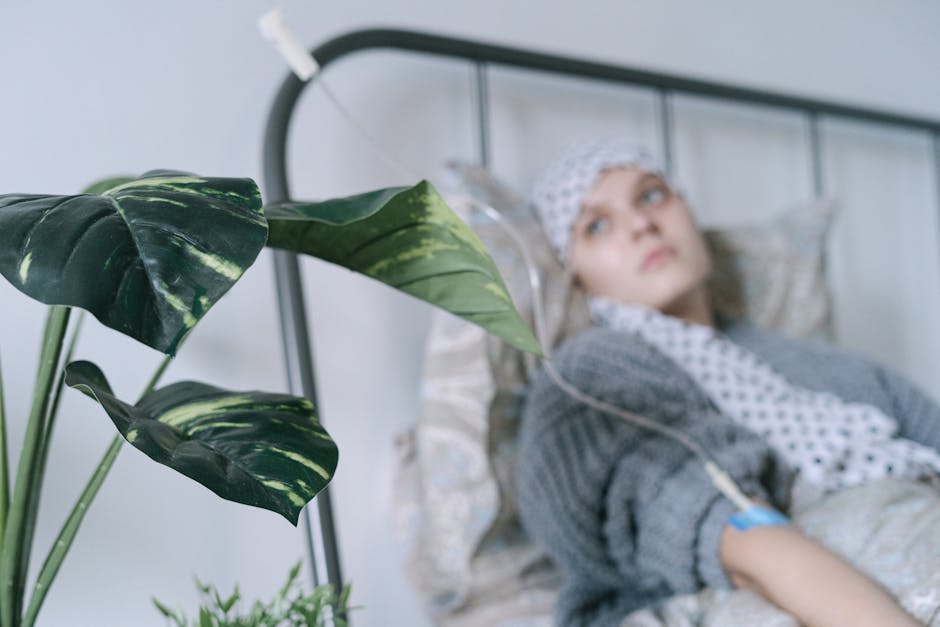
Treatment days can be demanding. Plan for times when your loved one needs extra support. That’s the time for:
- Easy meals you can heat and serve
- No other obligations or visitors unless your loved one wants them
- Extra rest time
- Comfort items: soft pillows, blankets, books, or shows they enjoy
Ask the oncology team about the typical timeline for how your loved one may feel after treatment so you can prepare.
If you’re juggling work, family, and caregiving, consider what tasks are truly essential. Most aren’t. Your job right now is supporting your loved one, not keeping everything perfect. If you need consistent help managing household tasks, transportation, or companionship during this time, professional caregivers can fill those gaps. Reach out to Help Inc. to learn how in-home support works in your area.
When to Ask for Professional In-Home Care Support
You don’t have to manage this alone. Professional caregivers can provide consistent support with daily tasks, meals, and companionship, which frees you to focus on emotional presence and medical coordination.
Consider in-home care support if:
- Your loved one needs help with bathing, dressing, or grooming
- Meal prep and cleanup are falling on your shoulders
- You’re missing work or feeling overwhelmed from caregiving
- Your loved one would benefit from consistent companionship
- Transportation to appointments is logistically difficult
Professional caregivers don’t replace family. They complement your care by handling the practical tasks so you can be present for the emotional and relational parts of this time.
What does elderly care during cancer treatment typically include?
It includes helping with daily tasks like meal prep, housekeeping, and personal care; managing appointments and transportation; providing companionship; and supporting emotional wellness. The goal is helping your loved one at home while maintaining independence and dignity.
How can I help my elderly parent with nutrition during cancer treatment?
Offer small, frequent meals instead of large ones. Focus on protein-rich foods, honor cravings, and avoid strong cooking smells. Keep hydration simple with sips throughout the day. If your parent loses significant weight or can’t keep food down, tell their oncologist.
Can an elderly person stay at home during cancer treatment?
Home can be a comfortable environment for your loved one during this time, with family nearby. Work closely with your healthcare team to monitor symptoms and manage any needs at home.
How do I know how my loved one is doing?
Watch for changes in energy, appetite, sleep, and mood over time. Ask the oncology team what to expect at each stage. Don’t hesitate to contact them if something feels wrong.


