
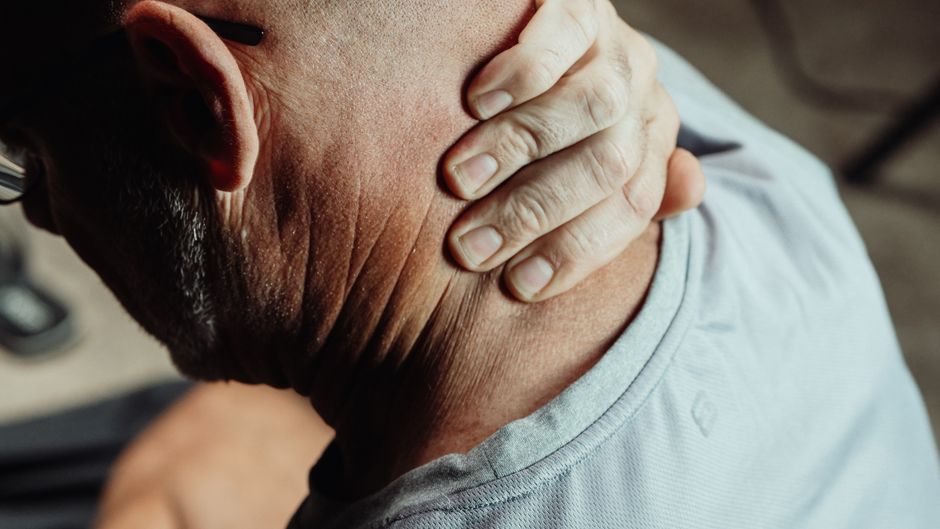
Chronic pain is a common concern for many seniors. Your back aches. Your knees hurt. Your shoulders feel stiff. Managing these experiences involves exploring different strategies that work for your body and your life.
Here’s what matters: chronic pain management for seniors involves finding the right combination of strategies that work for you. There are multiple options available to explore.
Understanding Chronic Pain in Seniors
When pain persists for weeks or longer, it can affect how your body and brain work together. Chronic pain is different from acute pain (like a sudden injury). With chronic pain, your nervous system may remain in a heightened state.
The reality is that no single approach works for everyone. Your neighbor’s strategy might differ from yours. That’s why exploring different options matters.
The Multimodal Approach: Combining Multiple Strategies
Many seniors find that combining multiple strategies at the same time can be helpful. Think of it like building a toolkit rather than reaching for one hammer.
A multimodal approach typically includes:
- Medications (different types working together)
- Physical activity and movement
- Physical therapy
- Mental health support
- Lifestyle adjustments
When you use medications combined with movement and therapy, you may find different results. This is why ongoing monitoring with your healthcare provider is important.
Medications: Finding the Right Balance
Your doctor might recommend acetaminophen for common conditions like osteoarthritis or back pain. For some seniors, the strategy includes combining acetaminophen with other medications.
Opioids might be part of your plan. If you do take opioids, your healthcare provider should monitor you regularly, adjust as needed, and ensure the medication is helping you reach your goals.
Movement and Physical Activity: An Important Component

Physical activity is an important part of many pain management plans. Walking for just 5 to 10 minutes at least three times a week is a starting point. If you can add in two 30-minute sessions of activities like gym work or recreational activities, that’s another option. Pickleball, swimming, tai chi, or dancing all count.
The key is finding activities you actually enjoy. If you enjoy it, you’re more likely to continue.
Physical Therapy: Working With a Professional
Physical therapy can be a helpful part of your pain management plan. A physical therapist teaches your body how to move, strengthens the muscles supporting areas of concern, and helps you build confidence in your own mobility.
Medicare covers physical therapy. Talk to your doctor about getting a referral so you can work with a professional who understands your specific needs.
If managing appointments and getting to therapy sessions feels overwhelming, Help Inc. can help with transportation and support.
Creating Your Personal Pain Management Plan
Your plan should fit your life. What works for managing your experience at home might be different from what you need when you’re out and active.
Start by tracking what affects your experience. Keep notes for a week or two. When you meet with your doctor, you’ll have real information to discuss.
Then work with your healthcare provider to build a strategy that includes:
- Specific medications and dosages
- Types of movement and how often
- Physical therapy sessions
- What to do on difficult days
- How often to check in and adjust the plan
The Role of Lifestyle and Home Environment
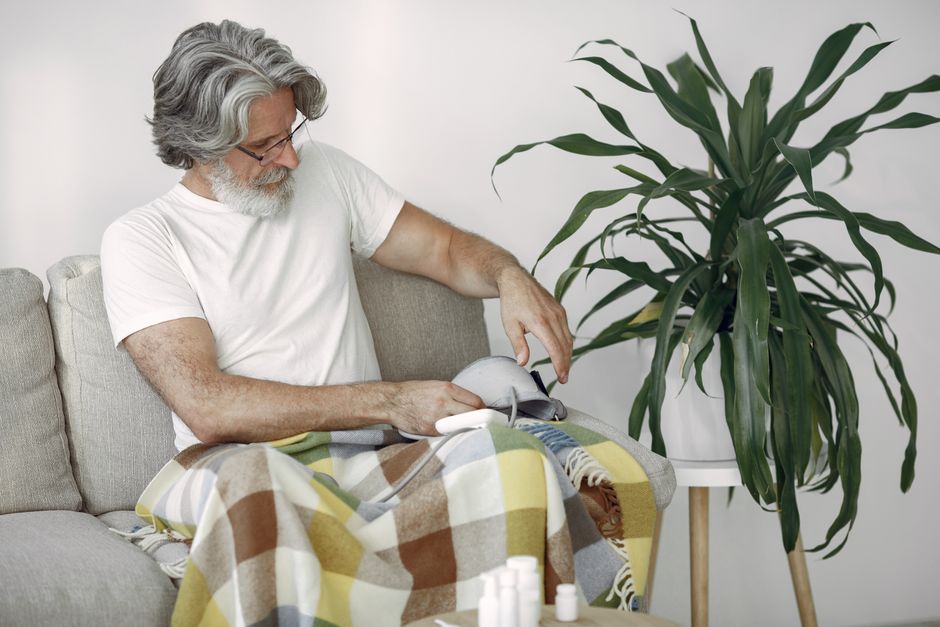
Your environment can affect your daily experience. A few practical changes can make movement easier.
Think about your furniture. Is your bed supportive? Can you get in and out of your chair comfortably? Are pathways clear so you can move safely? These details matter.
Sleep quality, stress levels, and regular routines also play a role in your overall experience. Better sleep and less stress support your wellbeing. Regular meal times and daily rhythms help your body settle into a routine.
If managing these lifestyle pieces feels like too much to handle alone, Help Inc. provides in-home support that helps seniors stay active, prepare meals, and maintain the routines that support their daily life.
Staying Motivated and Tracking Progress
Some days your experience may vary. That’s normal.
Keep a simple journal. Write down your experience level each day (you can use a 0-10 scale), what you did that day, and how you felt overall. Over weeks and months, patterns emerge. You’ll see what activities you’re able to do and how your body responds to your plan.
Share this journal with your doctor at appointments. It helps them understand what’s happening in your daily life.
When to Adjust Your Plan
Your pain management plan isn’t set in stone. Life changes. Your body changes. Seasons change. What worked in January might need adjusting in July.
Check in with your healthcare provider regularly. If something isn’t working, speak up. If a medication isn’t helping or has effects you can’t live with, there are usually other options to discuss. If physical therapy feels too hard, there might be modifications to explore.
The goal is finding strategies that let you do the things that matter to you.
Building Your Support System
Managing your health works better when you’re not doing it alone. Family members, friends, healthcare providers, and professional caregivers can support your journey.
Sometimes that support looks like someone to talk to on a difficult day. Sometimes it’s help with household tasks so you can focus on physical therapy. Sometimes it’s companionship during your daily activities so you stick with your routine.
If you’re looking for professional help navigating your health while maintaining your independence, Help Inc. specializes in supporting seniors in Brazoria County through every part of aging, including practical needs and daily living support.
Related: Home Care for Seniors Living Alone: A Complete Guide
Related: Organizing Help for Seniors at Home: Room-by-Room Guide
Frequently Asked Questions
Will I need to take opioids forever?
This is a question to discuss with your healthcare provider. Opioids are one tool in a broader strategy. Your doctor can help you understand your specific situation and options. This is why ongoing monitoring and check-ins with your healthcare provider are important.
What if I’ve tried physical therapy and it didn’t help?
Sometimes the first therapist or approach isn’t the right fit. Physical therapy works differently for different people, and the style or specific exercises matter. If your first experience didn’t meet your needs, ask your doctor about trying a different therapist or approach. Also consider whether lifestyle changes (sleep, stress, nutrition) might be affecting your experience.
Can I manage my health without medications?
This depends on your individual situation, the type of concern, your overall health, and what your body responds to. Many people explore a combination approach. Work with your doctor to find what balance works for you.
How do I know if my plan is working?
This means you’re doing more of what matters to you, you’re sleeping better, or your experience level is different. Tracking your experience level, what activities you’re able to do, and how you feel overall over weeks and months will show you whether things are changing. If nothing’s changing after a reasonable time, it’s time to discuss adjustments with your doctor.


