
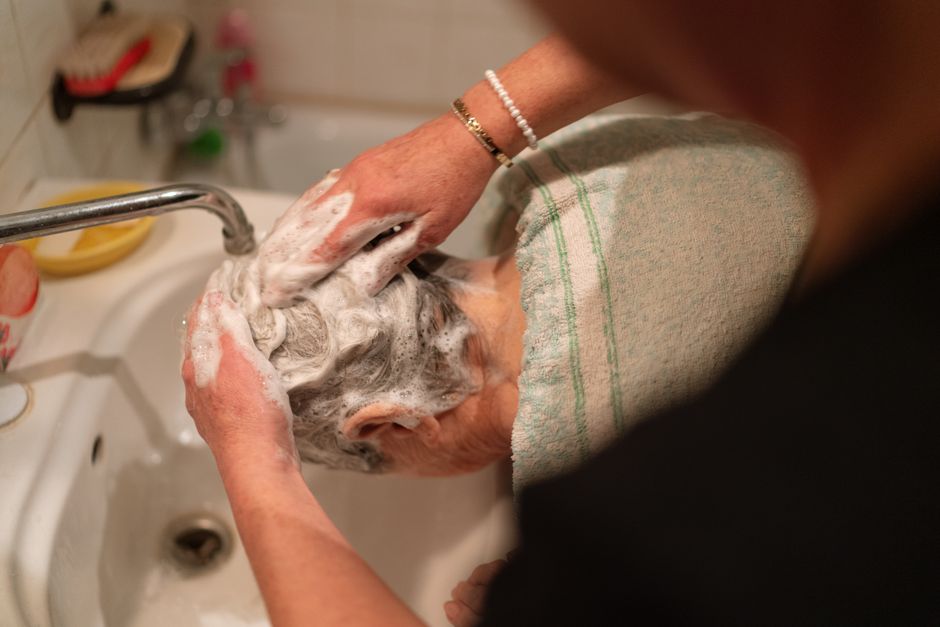
Bathing and grooming assistance for elderly loved ones is one of those caregiving tasks that feels both intimate and necessary. If you’re noticing your parent or spouse needs help getting clean, getting dressed, or managing personal hygiene, you’re not alone. Many adult children and spouses find themselves in this exact position and wonder how to handle it with both respect and practical support.
With some planning, the right equipment, and maybe a little professional support, you can help your loved one maintain their dignity while managing personal care at home.
Why Bathing and Grooming Assistance Matters
Aging bodies change. Balance gets shakier. Joints get stiffer. What used to be a routine shower becomes more challenging. A slip on wet tile or a fall while standing can result in injury.
Related: Transportation Assistance for Seniors in Pearland: Your Complete Guide
Related: In-Home Care in Freeport, TX: A Guide to Senior Care Options
Related: In-Home Care for Arthritis and Mobility Issues: A Guide
Related: How to Prepare Your Home for In-Home Care: A Complete Guide
Related: Organizing Help for Seniors at Home: Room-by-Room Guide
Related: Senior Home Care in Pearland, TX: A Complete Guide
Related: Family Caregiver Resources & Planning: A Complete Guide
Related: Senior Care Assistance in Texas Counties: Your Complete Guide
Staying clean and well-groomed is also important for dignity and confidence. When seniors struggle with bathing alone, many feel embarrassed. That’s why having the right help and support matters so much.
If you’re noticing your loved one struggling to bathe, getting clothes dirty because dressing is hard, or avoiding showers altogether, these are signs that professional bathing and grooming assistance may be helpful. But first, let’s walk through what you can do to make bathing more manageable right now.
Make the Bathroom Safer: Essential Changes
Before anything else, your bathroom needs to be set up for safe use. Here’s what to focus on:
- Install grab bars: Place sturdy grab bars near the shower, tub, and toilet. These should be anchored into studs, not just drywall. Your loved one needs something to hold onto while getting in, out, and standing.
- Use non-slip mats: Put non-slip mats inside the tub or shower and on the bathroom floor outside. Wet tile is slippery. Mats help prevent slips.
- Get the lighting right: Make sure you have bright, adequate lighting. If your parent or spouse can’t see where they’re going or what they’re doing, accidents are more likely.
- Keep the water temperature comfortable: Test the water before your loved one gets in. Aim for warm, not hot.
- Remove clutter: Clear the bathroom of unnecessary items, cords, and anything that could cause a trip. Keep a clear path to the toilet, sink, and shower.
Bathing Assistance: How to Help with Dignity
If your loved one needs physical help bathing, approach it with respect and calm. Here’s how to do it right:
Before the bath: Gather everything you’ll need beforehand. Towels, washcloths, soap, shampoo, clean clothes. Don’t leave your parent or spouse alone in the bathroom waiting for you to grab something.
Keep it warm and private: Close the door, use a heated towel if you have one, and keep the room temperature comfortable.
Let them do what they can: Even if bathing is slow, let your loved one wash what they’re able to. You step in to help with the harder parts, like their back, feet, or anywhere they can’t safely reach.
Use a shower chair or seat if needed: Standing the whole time is tiring. A shower chair lets your loved one sit while you help.
Work calmly: Don’t rush. Talk gently. Keep the mood calm and matter-of-fact.
If this feels overwhelming or you’re worried about managing it safely, there’s no shame in getting help. Many families find that professional in-home caregivers can provide bathing assistance in a way that feels more comfortable for everyone involved.
Grooming and Dressing Support

Bathing is just one part of the picture. Grooming and dressing are equally important for your loved one’s dignity.
Hair care: If shampooing in the shower is too difficult, consider dry shampoo or a handheld shower head that lets your loved one sit. Some seniors also do well with a shower cap if daily washing becomes too much.
Nail care: Help your parent or spouse keep nails trimmed and clean. If they have thick, tough nails (common with age), soak them in warm water first to soften them, or consider a professional.
Oral hygiene: Even if your loved one has dentures, daily cleaning is important. Help them brush their teeth or clean dentures every morning and night.
Getting dressed: As balance and mobility change, getting dressed while standing becomes more difficult. Have your loved one sit on a bed or chair. Lay out clothes in the order they go on. Choose loose, comfortable clothing that’s easy to get on and off.
When to Call in Professional Help
You don’t have to do this alone. There are real limits to what family caregivers can safely manage, and asking for help is the smart choice.
Consider professional assistance if:
- Your loved one is heavy or has limited mobility, and you’re worried about your own back or ability to assist them safely.
- Bathing triggers anxiety in your parent or spouse. Sometimes a professional caregiver can ease that tension.
- You feel exhausted or resentful. Caregiver burnout is real. Getting a break protects your health and your relationship.
- Your loved one is more comfortable accepting help from someone outside the family.
If any of these feel true, reach out to Help Inc. to learn about in-home grooming and bathing support. Your loved one deserves care that respects their dignity, and you deserve support too.
Create a Routine That Works
Bathing should feel predictable and manageable. Build a routine. Pick a day and time. Prepare the space. Make it calm and predictable. Your parent or spouse will feel less anxious if they know what to expect.
Some seniors do better with a quick rinse-off shower several times a week rather than a full bath once a week. Others prefer baths because sitting feels more manageable. Find what works for your loved one, then stick with it.
Keep supplies within reach and easy to access. A shower caddy with soap, shampoo, and a washcloth right there means less fumbling.
Maintaining Your Own Well-Being

Here’s something nobody talks about enough: you can’t pour from an empty cup. If bathing assistance is draining you emotionally or physically, your loved one senses that. Taking care of yourself is part of taking care of them.
Whether that means asking for professional help, taking breaks, or talking to a counselor, do what you need to do. You’re allowed to find this challenging. You’re allowed to ask for support.
What signs tell me my elderly parent needs bathing assistance?
Look for reluctance to shower, difficulty getting in or out of the tub, slips and near-falls, or comments about being scared of bathing. Sometimes you’ll notice they’re not bathing as often as they used to, or their clothes are staying dirty longer. Trust your instinct. If you’re worried, they probably do need help.
Is it normal to feel uncomfortable helping a parent bathe?
Absolutely. It’s a role reversal that feels strange for almost everyone. You might feel awkward or worried. These feelings are completely normal. Many families find that getting professional help removes that awkwardness and makes everyone more comfortable.
What if my loved one refuses help bathing?
Resistance often comes from fear, embarrassment, or loss of control. Stay calm and don’t force it. Try talking about practical concerns rather than cleanliness. Offer choices: shower or bath, morning or evening, with you or a professional caregiver. Sometimes your loved one will accept help more easily from someone outside the family.
How often should an elderly person bathe?
Daily full baths or showers aren’t necessary. Two to three times a week is common, with spot-cleaning on other days. If your loved one is sweating a lot, incontinent, or has specific skin concerns, they may need more frequent washing. Work with their doctor if you’re unsure.


