
Choosing the Right in-Home Support in Brazoria County
Caring for an aging parent at home can feel confusing, especially after a hospital stay. A lot of families in Brazoria County go home from the hospital with a long list of instructions and one big question: Do we need a personal care aide, a home health aide, or just a companion? The words sound similar, but the help they give is very different.
Picking the wrong kind of help can lead to safety problems, more trips back to the hospital, or paying for services your loved one does not really need. As fall schedules pick up, school starts back, and holidays creep closer, families often realize they cannot keep doing all the care alone.
In this guide, we explain what each role means, what they can and cannot do in a Texas home setting, and when each one usually makes the most sense for seniors in Brazoria County. Our goal is to make things simple so you can feel more confident about the support you choose.
What Personal Care Aides Can Do at Home
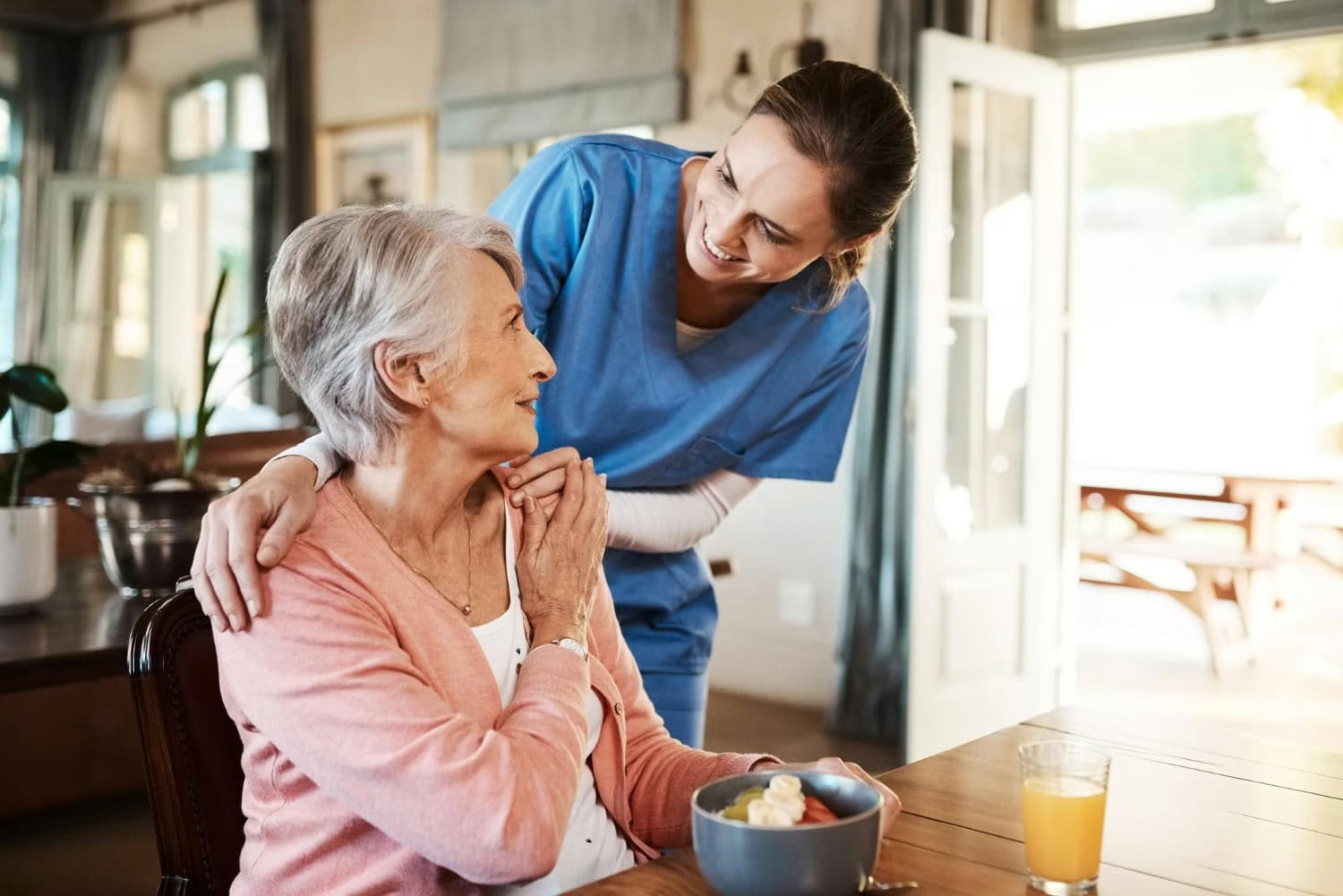
A personal care aide in Brazoria County focuses on non-medical, hands-on help with daily life at home. This is often the kind of care people picture when they think about “home care.”
A personal care aide can help with things like:
- Bathing and shower safety
- Dressing and grooming
- Toileting and incontinence care
- Moving around the house and safe transfers
- Simple meal prep and light kitchen help
- Reminders for gentle exercise or stretches
This care is about comfort, dignity, and safety. The aide is there to support the senior, not to provide medical treatment. That means there are clear limits.
Personal care aides cannot do skilled nursing tasks:
- Provide invasive medical care
- Do wound care or complex dressings
- Give injections or manage complex medications
In many homes, personal care is the best choice when a senior:
- Has trouble with bathing, dressing, or toileting
- Has had a fall or surgery and feels weaker
- Needs help getting in and out of chairs or bed
- Is at higher risk of falls, especially in the evening when it is darker
This level of care can help prevent accidents, keep skin clean and healthy, and give family caregivers a break. As days get shorter in the fall and people are out running more errands, a personal care aide can be the steady support that keeps your loved one safe at home while life gets busier around them.
How Home Health Aides Add Medical Support
Home health aides are different from personal care aides because they are part of a medical team. They usually work under the direction of a nurse or therapist through a licensed or Medicare-certified home health agency.
A home health aide often:
- Helps with bathing and dressing
- Takes basic vital signs when directed
- Watches for changes in condition and reports them
- Assists with simple exercises given by a therapist
- Supports a care plan after a hospital or rehab stay
This type of care is more medical in nature, but there are still limits. Home health aides do not replace nurses. Their visits are usually short, task-focused, and only on certain days of the week. They are not meant to provide all-day or overnight care.
Home health aide support is usually a good fit when:
- There has been a recent hospital or rehab stay
- There is a new diagnosis and a nurse or therapist is involved
- There are wounds, new medications, or disease management plans in place
Even with a home health aide, many families still need extra help. A nurse might come a few times a week, and a home health aide might visit for a short time, but the rest of the day the senior is still home. That is where private personal care aides can fill in the gaps and keep the routine going between medical visits.
Companion Care for Independence and Social Connection
Companion care is different from both personal care and home health. Companions focus on social time, safety, and light household help, not hands-on care with bathing or toileting.
Companion services often include:
- Friendly conversation and games
- Supervision for safety and gentle reminders
- Rides to local events, stores, and appointments
- Light housekeeping and simple cooking
- Help with planning meals and making grocery lists
- Medication reminders without handling the medications
This kind of support is very helpful for seniors who are mostly independent but should not be alone for long stretches. As the days get shorter in the fall, many families feel better knowing someone can stop by for a safety check, help with errands, and give their loved one company.
Companions cannot provide hands-on bathing or toilet help:
- Do heavy lifting or transfers for someone who cannot stand
- Handle medical treatments
Companion care is often the right choice when:
- There is early memory loss or mild confusion
- Loneliness and boredom are the main concerns
- A senior has stopped driving and needs rides
- Family caregivers need a break, but the senior still does most physical tasks alone
It can be a gentle first step into home support, and care can always be increased later if personal care needs grow.
Deciding Between Personal Care, Home Health Aides, and Companions
A simple way to choose is to look at three areas: medical needs, personal care needs, and social or supervision needs.
1. Medical Needs
Ask yourself:
- Are there open wounds, new medications, or injections?
- Is a nurse or therapist already involved?
If yes, home health with a nurse and possibly a home health aide may be needed. You might still bring in a personal care aide in Brazoria County to help during all the hours when the medical team is not there.
2. Personal Care Needs
Think about:
- Does your loved one need help bathing, dressing, or using the toilet?
- Are transfers, like getting out of bed or into the shower, hard or unsafe?
If these are the main issues, and there are no complex medical treatments, a personal care aide is usually the best fit.
3. Social and Supervision Needs
Consider:
- Is your loved one lonely, bored, or calling family many times a day?
- Are there small memory slips, like forgetting appointments, but they still handle basic self-care?
- Do you worry about safety when they are home alone for long hours?
If this sounds right, companion care is a good starting point.
Seasonal routines matter too. After a busy summer with more activity and heat, some seniors feel weaker or have hospital stays that change their abilities. Before fall holidays and travel plans begin, it is smart to reassess what your loved one can safely do and decide if more support at home is needed.
Creating a Safe Care Plan with in-Home Care
We always encourage families to start by making a simple list. Note what your loved one does well, what they struggle with, and what worries you the most. Pay special attention to bathing, toileting, walking, taking medications, and time spent alone.
At In-Home Care, we provide non-medical senior home care that helps older adults in Brazoria County stay safe and independent at home. Our team can look at your list, talk with you and your loved one, and help you sort out whether a personal care aide, companion care, or working alongside home health services fits best. As needs change over time, the care plan can change too, so your family always has the right level of support.
Feel Confident About Everyday Care at Home
If you or a loved one could use extra help with daily tasks, we are ready to support you with compassion and respect. At In-Home Care, our team will listen to your needs and match you with a trusted personal care aide in Brazoria County who fits your routine and preferences. Reach out today so we can walk you through your options, answer your questions, and help you feel more secure living at home.


