Personal care often begins with small routines. Maybe it’s helping a parent tie their shoes, remind them about lunch, or just lending a hand with a jacket that has stubborn zippers. These small things become part of daily life before anyone stops to think how much time or energy they take. Over time, those light tasks start to get heavier. And sometimes, without meaning to, it becomes more than one person can keep doing alone.
When that shift happens, it can be hard to name it. You may start your day with a plan, but step by step, the worry grows. That’s part of why personal care assistance becomes something families begin to ask about. Not from a place of giving up, but from a place of needing help to keep going. Whether it’s a slow build or a sudden realization, knowing when things are too hard is the first step in knowing something needs to change.
Signs It’s Getting Too Hard to Manage Alone
It’s not always easy to tell when the balance has tipped. Being close to someone can sometimes blur what’s doable and what’s quietly becoming unsafe. These signs don’t always shout, they build up over time.
• Frequent slips, falls, or close calls that didn’t happen before
• Meals skipped or medications forgotten on more than one occasion
• Clothing worn repeatedly, or hygiene slowly becoming an afterthought
• A caregiver who is always tired, short-tempered, or isolating themselves
Burnout doesn’t come all at once. We see it in small ways, a quiet sigh, dishes piling up, or the coffee going cold while trying to get too much done before lunch. When care starts to feel endless, or days stretch without rest, it’s a signal. And while love and loyalty are strong, they don’t replace rest and support.
Why Asking for Help Can Be Hard
Asking for help often feels heavy, even when it’s needed. Many family caregivers carry a quiet guilt that they should be able to do everything on their own. They may believe they’re the only one who knows “how things are done” or that needing help means they’ve failed. That belief sits quietly in the background until it stops being quiet.
• Worrying that outside help will upset routines or make someone feel uncomfortable
• The idea that accepting help means giving up control
• Feeling unsure who to involve or when it’s okay to say, “I can’t keep doing this alone”
People receiving care can also have strong feelings. Some fear losing their independence or feel embarrassed by the thought of needing help. These emotions matter and should be handled gently. But they don’t have to be a full stop. Help, when it comes with understanding and patience, often becomes a comfort instead of a worry.
What Makes Professional Support Feel Different
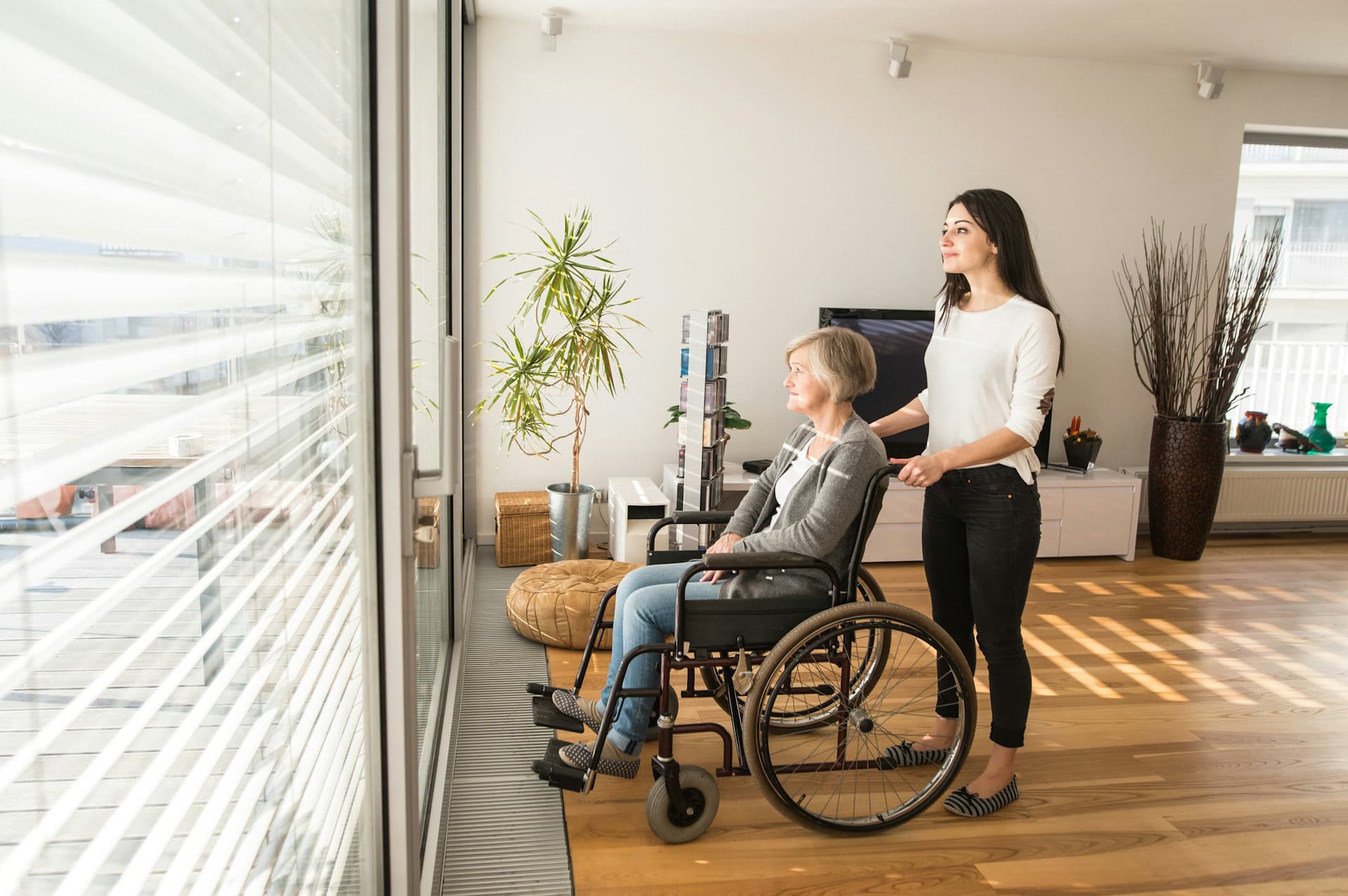
There’s a rhythm that comes with good care, one that isn’t chaotic or rushed. When support is steady and calm, it feels like part of home rather than something added on top. That’s what sets it apart from trying to do everything yourself.
• Familiar faces who know the routines and help keep them in place
• Help that eases everyday tasks so families can just sit and enjoy time together
• Support that offers relief without taking over, knowing when to step in and when to step back
Professional caregivers understand the need for calm structure. They aren’t there to change someone’s world overnight. They’re there to make the day flow better, with just enough help to make things feel manageable again.
In-Home Care provides personal care assistance in Pearland, Texas, including help with hygiene, mobility, meal preparation, medication reminders, companionship, and transportation. Our caregivers work to fit seamlessly into existing routines and offer relief for both families and individuals.
How Winter Months Highlight the Strain
In Pearland, Texas, winter doesn’t always mean snow, but colder air and shorter days still change the pace of things. There’s more time spent inside, fewer visits, and sometimes a quiet loneliness that creeps in as evening comes early. This is when caregiving can feel heavier, even for those used to doing it all.
• Limited outdoor time leads to fewer breaks or changes of scenery
• Cooling temperatures make stiff joints ache more, slowing everyday movement
• Illnesses tend to show up more, adding stress to an already full plate
Families at this time of year often try to do more to make things feel festive or warm. But those good intentions can stretch an already overworked schedule. That’s when support means more than just help, it means the difference between barely holding on and feeling steady.
Our flexible scheduling and non-medical care options in Pearland, Texas, make it easier for families to find the right amount of support with changing needs and routines.
A More Manageable Way Forward
Knowing when to ask for help isn’t a sign of weakness. In fact, it shows how much someone cares, enough to say they can’t do it all alone anymore. There’s strength in protecting your own wellbeing while still being present for the people who count on you. Caregiving doesn’t have to be an all-or-nothing role.
When help steps in as a partner in the routine, something changes. The house feels calmer. Conversations come easier. Meals aren’t rushed. By sharing the responsibility, families often find more time for connection instead of just sticking to a list of things to get done. In the end, personal care assistance is about making daily life feel less like a challenge and more like something shared, together.
Everyday routines can feel overwhelming when managed alone, but reaching out for support brings peace of mind and relief for your whole family. At In-Home Care, we understand that finding the right fit for personal care assistance in Pearland, Texas, is deeply personal. We’re here to answer your questions and guide you toward a care plan that feels comfortable, respectful, and right for your home. Give us a call to start the conversation about how we can help.