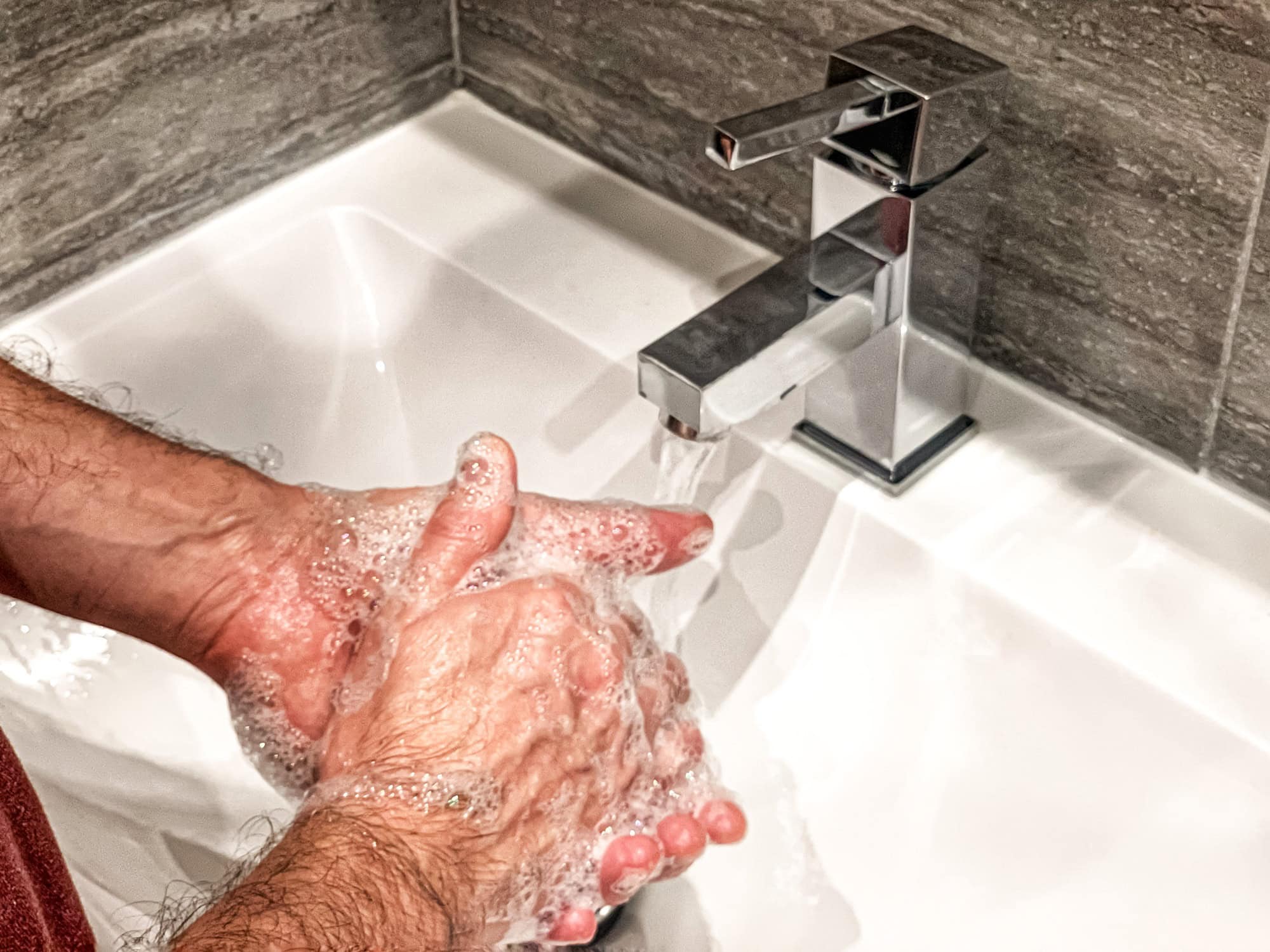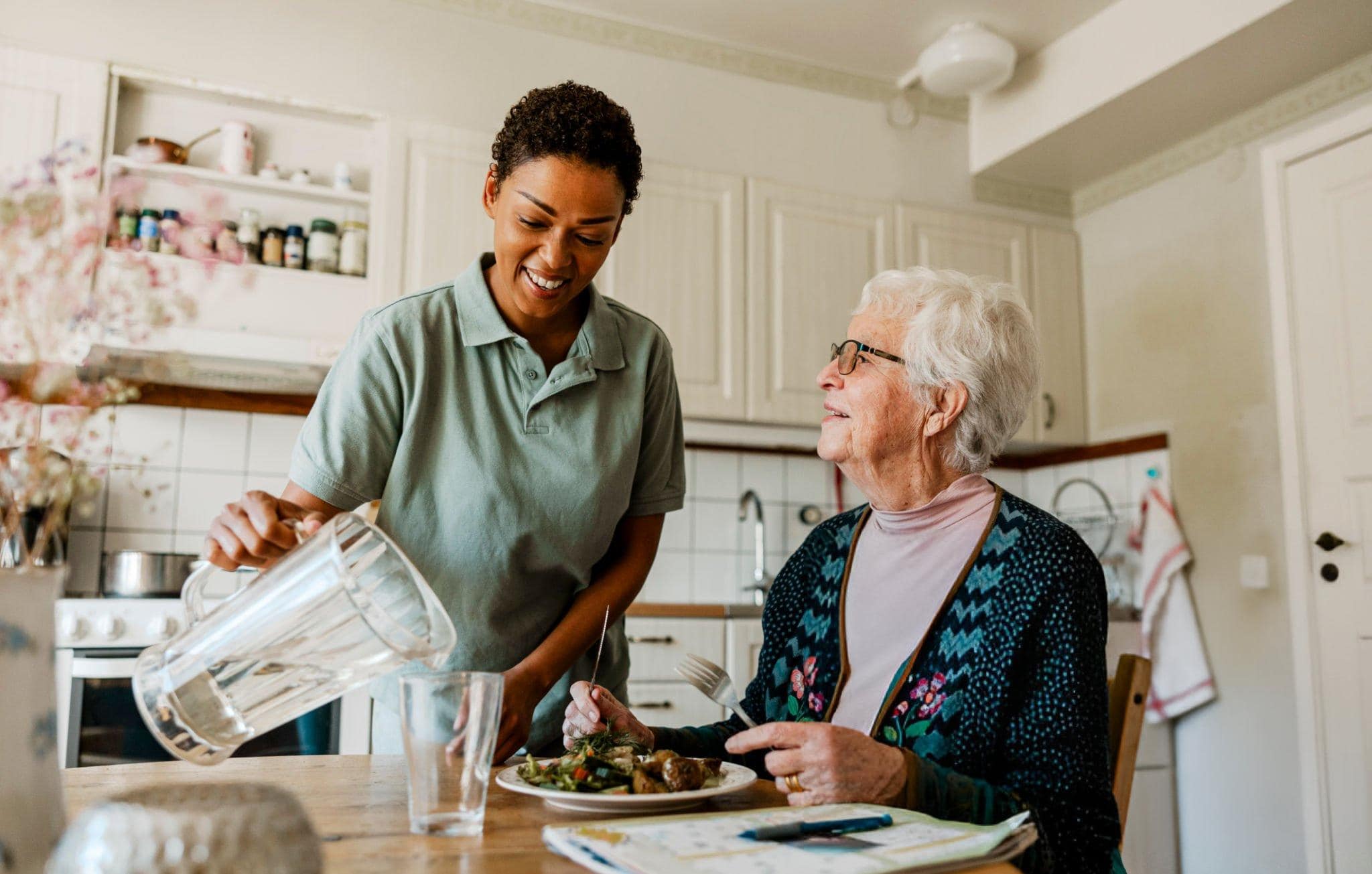

Keeping up with personal hygiene is a big part of feeling good and staying healthy. For seniors, it can also be a way to keep some independence and routine in their lives. But when mobility becomes limited, simple things like bathing, brushing hair, or even dressing can become complicated or unsafe. These tasks might take longer, feel more tiring, or cause frustration, both physically and emotionally.
In towns like Lake Jackson, Clute, Richwood and surrounding areas—where many older adults are trying their best to stay active in their homes—getting the right kind of help can make all the difference. Fall weather is on the way, which often brings cooler mornings and shorter days—times when getting into the shower or changing clothes may feel even more challenging. Supporting seniors with respectful and helpful care can help them get through everyday hygiene routines more smoothly.
Challenges Faced By Seniors With Limited Mobility
Washing up or getting dressed might not seem like a big deal, but for someone dealing with stiff joints or loss of balance, those tasks can feel overwhelming. Seniors with limited mobility often face physical challenges like sore muscles, arthritis, trouble gripping objects, or the fear of slipping when getting in or out of the shower. That fear alone can lead to skipped showers or rushed routines, which affects hygiene and comfort.
Then there’s the emotional toll. Needing help for something so personal can feel embarrassing or frustrating. Some seniors might avoid asking for help because they don’t want to feel like a burden. Others grow anxious about strangers assisting them in these personal activities, especially if it hasn’t happened before. The result is often skipped hygiene routines and growing discomfort that builds up over time.
A woman in Clute, for example, might start avoiding baths because reaching her feet has become too painful, and her tub doesn’t feel safe anymore. Suddenly, a routine she’s managed for 60 years is now risky and stressful. Stories like these aren’t rare. Many families don’t realize how common this is or how much it affects a loved one’s happiness.
Some of the most common obstacles include:
- Trouble standing for long periods
- Difficulty bending or lifting the arms
- Nervousness about falling in the bathroom
- Being unable to fully dress or undress without assistance
- Pain in adjusting water temperature, getting into the tub, or brushing hard-to-reach areas
Once you understand what seniors are up against, it becomes easier to see why they need steady, respectful support to keep up with daily hygiene.
Types Of Personal Hygiene Support
There isn’t one single way to help someone with hygiene care. It usually takes small adaptations and the helping hand of someone who knows how to make things easier. Seniors in Brazoria County have a range of choices when it comes to support. The key is focusing on safety, comfort, and keeping things as private and normal as possible.
These are a few helpful options available:
- Assisted Bathing
Walk-in tubs, shower chairs, and grab bars can be installed to reduce fall risks. A caregiver can help with getting in and out of the tub, washing, rinsing, and drying while still giving the person as much privacy as possible. - Dressing Assistance
Clothes with Velcro, elastic waistbands, and open-back tops or gowns can replace items that are hard to button or zip. A caregiver can help pick clothes, dress the individual, and manage layers based on the weather. - Oral Hygiene Help
Some seniors struggle to grip toothbrushes or stand at the sink. Special toothbrush handles or electric models help make this easier. A caregiver can set up water cups, squeeze toothpaste, and assist without taking over unless it’s needed. - Hair Care
Hair washing at a sink or bedside can be done more comfortably with rinse-free shampoos or no-rinse caps. Regular brushing, simple trims, and support during haircuts can keep the routine quick and pleasant.
Hygiene support should never be about taking over. It should be about adjusting the environment and sharing the task so that the senior feels safe, respected, and cleaner each day. Planning the care around the individual’s preferences can help make the experience more comfortable and less stressful.
Role Of A Personal Care Aide In Brazoria County
A personal care aide can make daily hygiene routines safer and more comforting for seniors. In Brazoria County, many families rely on trained caregivers to step in with the gentle help their loved ones need. These aides aren’t there to replace independence. They’re there to make sure small tasks don’t turn into big risks.
Personal care aides are skilled in handling hygiene-related care without rushing or making anyone feel uncomfortable. They often get to know each person’s preferences—what toothpaste they like, how they prefer their hair brushed, or the routine they’ve followed for decades. That kind of familiarity makes hygiene care feel more like normal daily living and less like medical treatment.
Here are a few ways a personal care aide supports hygiene:
- Helping with sponge baths, handwashing, or full showers
- Assisting with dressing and grooming while respecting personal boundaries
- Setting up tools like grab bars or anti-slip mats for safer care
- Reaching difficult areas during hygiene routines without causing discomfort
- Monitoring comfort levels during care to prevent any pain or strain
Having someone close by who understands how to support—without making things feel awkward—goes a long way. Whether it’s brushing teeth in the morning or changing into pajamas at night, an aide can turn a tough moment into one that feels manageable again.
Tips For Choosing The Right Hygiene Support
Hiring the right care support for a loved one’s personal hygiene can feel like a big decision. Families in Brazoria County often look for someone trustworthy, experienced, and kind. A good match can improve the day-to-day mood of the senior and bring peace of mind for their family.
Here are some helpful tips to guide the decision:
- Check for past experience with personal hygiene care. Not all caregiving experience involves bathing, dressing, or grooming. It’s okay to ask directly if they’ve supported someone in these ways.
- Look for someone who shares similar communication styles. If the senior prefers a quiet environment or light, cheerful conversation, try to find an aide who fits that.
- Make sure to ask for and check references. Past clients and supervisors can tell you how dependable and respectful the aide is in real-life situations.
- Think about scheduling needs. Will care be needed every day or a few times a week? Clarify that early to avoid confusion later on.
- Discuss comfort levels. Some seniors feel more at ease receiving help from someone of a specific gender or age group. Talking openly about preferences will help you choose the right person.
The right support plan might take a bit of trial and error, but it’s worth the effort to find an aide who blends skill with empathy.
Tech Tools That Support Personal Hygiene
Technology doesn’t have to be complicated, especially when it’s made to make daily tasks easier. For seniors who want to stay clean and safe without feeling overwhelmed, a few modern tools can make a quiet but helpful difference. The goal here isn’t to replace care, but to add support in between caregiver visits or to make certain steps more manageable.
Some simple tools that can help:
- Automatic soap dispensers help prevent spills and messes. They’re easy to use and helpful for those with shaky hands.
- Electric toothbrushes can take the pressure off painful joints, especially for those who struggle with movement in their hands or arms.
- Mobile reminder apps can prompt people to brush, wash up, or take medications at consistent times throughout the day.
One gentleman in Brazoria County started using a reminder app that would gently chime whenever it was time to brush his teeth or take his evening wash. He set his reminder tone to an old jazz tune that made him smile. It turned a routine task into something pleasant—and helped keep him on schedule too.
Combining technology with personal care doesn’t take away the human element. In fact, it supports independence and gives caregivers a chance to focus on providing care where it’s needed most.
How Thoughtful Support Improves Daily Life
Clean skin. Fresh clothes. Washed hair. These aren’t just about looking presentable—they’re about feeling human, staying comfortable, and preserving dignity. For seniors with limited mobility, personal hygiene is one of the most sensitive parts of daily care. That’s why it matters so much to offer support that respects their wishes, keeps them safe, and avoids making them feel helpless.
Families across Brazoria County see the benefit when hygiene help is done right. Instead of resistance or discomfort, routines become familiar and less stressful. The days can start and end with peaceful moments that build confidence, not anxiety.
The right equipment, thoughtful care, and even a bit of friendly conversation during hygiene routines can be a big help. Add in the right caregiver support at the right times, and something as basic as a bath turns back into what it was always meant to be—a way to reset, relax, and feel good again. Consistent, gentle support just might be the difference between a frustrating day and a great one.
If you’re considering hiring a personal care aide in Brazoria County to make daily routines smoother and safer for a loved one, take a look at how our team at Help Inc. can support you. For more tips on creating a care plan that works for everyone, explore our guide on balancing personal and family needs. Discover how compassionate care can bring back comfort and dignity to everyday life.