
When memory loss begins to affect your loved one’s daily life, it can be tough to watch. Simple routines they used to follow with ease may now feel confusing or even overwhelming. This change isn’t just hard for them. It can be stressful for the whole family. But staying independent, even in small ways, is still possible. One of the best ways to support this is by helping them stick to daily routines.
Having a steady rhythm to the day gives structure, which can ease confusion and lower stress. When things happen at the same time in the same way every day like meals, exercise, or getting dressed it can help anchor their memory and give each day a clear flow. It brings familiarity, and in many cases, it gives them more confidence to do things on their own. Whether you live with them in Clute or provide care from nearby, routines can offer peace of mind for everyone involved.
Morning Rituals For A Positive Start
Morning sets the tone for the rest of the day. A calm, steady start can help reduce the chance of feeling flustered or anxious later on. For seniors with memory loss, knowing what to expect each morning can make a big difference. Clear and simple steps build familiarity that helps them move through the day a bit more easily.
Here’s a basic flow of a morning routine:
- Wake up around the same time each day
- Open the blinds to let in natural light
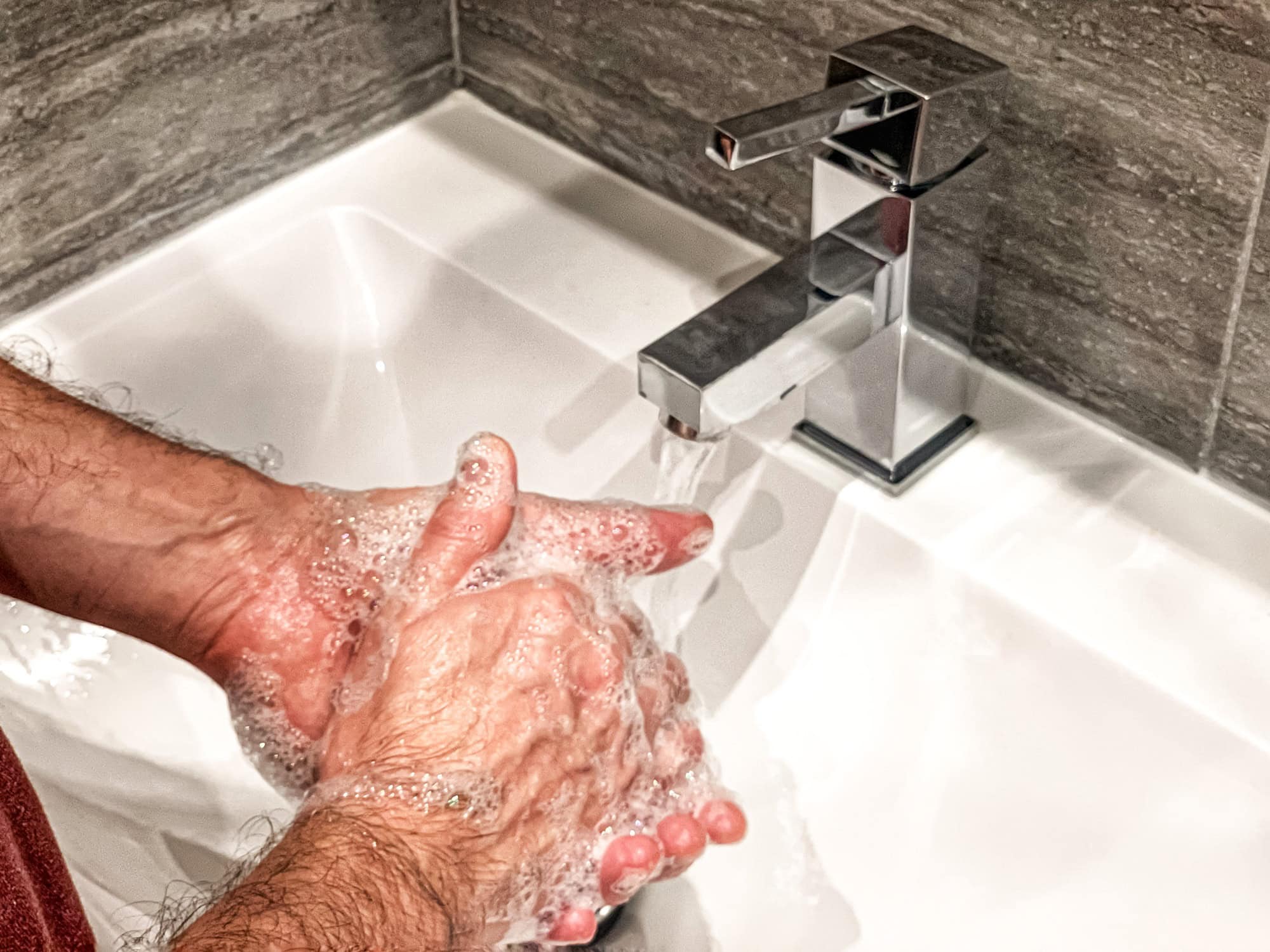
- Use the bathroom and complete hygiene tasks like brushing teeth and washing the face
- Get dressed with laid-out, simple clothing choices
- Eat breakfast in a quiet, tidy space
- Share a short activity like reading the newspaper, watering plants, or listening to music
Something as simple as having their favorite mug ready on the table can help create a sense of normalcy. If breakfast is always oatmeal on Tuesdays, that kind of predictability will often begin to feel familiar and comforting. When their morning starts consistently, the rest of the day is more likely to flow better too. Try to avoid rushing or packing in too many things. Keep it calm and friendly. One small success in the morning like choosing what shirt to wear can build a little independence that carries forward.
Engaging In Mental And Physical Activities
Once the morning routine is done, the middle part of the day offers good opportunities to stay mentally and physically active. That doesn’t mean long workouts or solving complex puzzles. It simply means regularly doing something that gets the body moving or the brain working in a gentle, enjoyable way.
Here are a few things to try:
- Sit outside together and name plants or birds in the yard
- Do a short walk around the block or in a nearby park
- Sort coins, clip coupons, or organize a photo album
- Simple crafts like coloring, knitting, or painting
- Play games that challenge memory in a relaxed way, such as Go Fish, dominoes, or memory matching cards
Choose activities that match their interests and current abilities. If your parent loved gardening before, help them repot a plant or water the shrubs. If they enjoyed books, try large print word games or short story audiobooks. The goal is not to push productivity. It’s about staying connected to movement, thought, and hobbies that make the day feel fuller.
Sometimes, these activities go better if you do them side by side, even if you’re doing something else nearby. Just being present while they try can help them stay more relaxed and enjoy the task. Gentle encouragement and celebrating even small progress can make them feel proud and engaged.
A little movement each day and mental stimulation through meaningful tasks tend to help seniors feel more awake and steadier throughout the day. It also gives them something to look forward to, which adds purpose and joy.
Mealtime Routines And Socialization
Meals are more than just nutrition. They’re an anchor point in the day that helps bring order and comfort. For seniors with memory challenges, keeping regular mealtimes can support a sense of rhythm and reduce confusion. Eating at the same times each day helps create a routine the brain starts to recognize over time, which can increase stability across the whole day.
Preparing meals together, even in small ways, gives your loved one a role to play. Tasks like setting the table, stirring a pot, or adding ingredients to a salad can help them feel involved and capable. These moments build confidence while tapping into long-standing habits and kitchen memories.
Another important part of mealtime is the chance to connect. Sharing meals with family or a caregiver can open up conversation and give seniors something to look forward to. Even if they don’t speak much during the meal, hearing friendly voices and participating in a shared activity can boost their mood.
To keep mealtime routines working smoothly:
- Serve meals at the same table and same time whenever possible
- Use familiar dishes and utensils to promote recognition
- Keep the table setting simple and free from clutter
- Limit background distractions like loud TVs or multiple conversations
- Offer food in small portions to avoid overwhelming choices
Consistency around food helps bring familiarity, but so does atmosphere. Soft background music or sunlight from a window can help create a calm space. And if they seem distracted or uninterested one day, that’s okay. Try again at the next mealtime. Routine doesn’t mean perfect. It just means showing up again and again with patience.
Evening And Bedtime Routines That Create Calm
Just like mornings, the evening should follow a calm and steady flow. When seniors know what to expect as the day winds down, it’s easier for them to relax. A predictable bedtime routine signals to the body and mind that it’s time to rest. That can lead to better sleep and less nighttime confusion.
Start early so the process never feels rushed. The goal is to wind things down slowly:
- Dim lights in the home as the sun sets
- Offer a light snack or cup of warm tea (caffeine-free)
- Guide them through brushing teeth and changing into pajamas
- Choose a relaxing activity like listening to soft music, flipping through a photo album, or reading a short story
- Lower noise levels and turn off bright screens during the last hour before bed
The bedroom itself should feel calm, safe, and ready for rest. Nightlights can help reduce the fear or disorientation that often comes with waking up in the dark. A weighted blanket or favorite pillow can offer comfort. Try to keep nighttime bathroom trips easy by lighting the way and keeping things within reach.
If your senior loved one struggles with sleep, don’t change everything at once. Start small with just a couple of steps, and slowly build a bedtime routine they can ease into. Over time, these little habits can help evenings feel less confusing and more peaceful.
Why Routines Make A Real Difference
Even when memory fades, routines give life a kind of outline that steady structure that makes each day easier to manage. For seniors in Clute, whether they spend most of the day at home or out with family, these daily habits offer a sense of control in a world that may no longer feel predictable. While every person is different, routines help ground them in what’s familiar and safe.
Some days will go more smoothly than others. That’s normal. What matters most is the consistency and the effort to bring comfort and calm. When caregivers and loved ones follow routines with patience, it becomes a shared rhythm, easing stress for both sides.
If sticking to routines starts to feel overwhelming or you’re not sure how to adjust them as needs change, it’s okay to ask for help. Sometimes, another set of hands or a fresh perspective can make a huge difference. What matters most is giving your loved one their best chance to feel secure, confident, and involved in daily life one step at a time.
Finding the right balance between care and independence for seniors can be challenging, but it’s an important part of maintaining quality of life. If you’re exploring options for senior home care in Texas, we can help guide you through the process. Help Inc. is committed to supporting families with compassionate care that respects each senior’s unique routine and preferences.