

Caregiving doesn’t just affect the person being cared for. It reshapes your marriage, your friendships, and your sense of self in ways that sneak up on you.
If you’re managing care for an aging parent, a spouse recovering from surgery, or a partner dealing with a chronic illness, you’re not alone in noticing the strain. Caregiving can affect marriages and relationships in various ways. Understanding what to expect helps you navigate it.
Why Caregiving Creates Relationship Stress
Caregiving piles multiple stressors onto a marriage at once. You’re not just dealing with one problem. You’re dealing with all of them together.
Financial pressure is one. If you’re reducing work hours, paying for care services, or covering medical expenses, money becomes a source of tension. Time pressure is another. Caregiving eats into couple time, date nights, and quiet moments together. You’re managing schedules, medications, appointments, and household tasks while trying to stay connected to your partner.
Then there’s the emotional exhaustion. Caregivers often experience higher levels of stress compared to non-caregivers. When you’re burned out, you have nothing left to give your marriage. You’re irritable, withdrawn, or just numb. Your partner feels the distance, even if you’re physically in the same room.
The person receiving care matters too. If your care recipient is dealing with emotional challenges, that weight can spread to your relationship. Relationship dynamics shift based on both your stress level and their emotional state.
How Daily Life Changes When One Partner Becomes a Caregiver
Caregiving rewrites your daily routine in ways that can affect intimacy.
Couples progressively spend less time focusing on their relationship. You stop having real conversations. Instead, you swap logistics: “Did you give them their medication? What time is the appointment tomorrow?” You’re co-workers, not partners.
Living arrangements shift too. Maybe your aging parent moves in. Maybe your spouse needs a hospital bed in the bedroom. Your physical space changes, and privacy disappears. Intimacy becomes harder to find, not just emotionally but practically.
Your social life shrinks. Date nights get cancelled because there’s no one to sit with your loved one, or you’re too exhausted to enjoy them anyway. You stop seeing friends because caregiving takes all your energy. This isolation can affect your marriage because you’re not getting support from your community.
Work-life balance changes. If you’re the primary caregiver, you might reduce your hours or leave your job entirely. That creates financial stress and identity shifts. If both of you are working while caregiving, you’re managing competing demands.
The Emotional Impact on Your Marriage
The emotional demands of caregiving can change how you show up in your marriage.
You might withdraw emotionally. Your partner wants connection, but you’re too depleted to give it. They feel rejected. You feel guilty for not having more to offer. That guilt can make you snap at them, and suddenly you’re fighting about things that aren’t even the real problem.
Tension can build quietly. Maybe you feel like your partner isn’t doing enough to help. Maybe they feel like you’ve stopped prioritizing them. These feelings can fester because you’re both stressed and defensive, not in a place where honest conversation feels safe.
Your sex life often changes. Exhaustion, emotional distance, and the loss of private space all affect physical intimacy. And then the absence of intimacy can create more emotional distance. It’s a cycle that feeds itself.
Many caregivers also experience grief, especially when caring for someone with a serious diagnosis. That grief is heavy, and it’s hard to carry into a marriage. Your partner might feel shut out of your experience, or you might feel like they don’t understand the weight you’re carrying.
What Research Shows About Caregiver Marriages
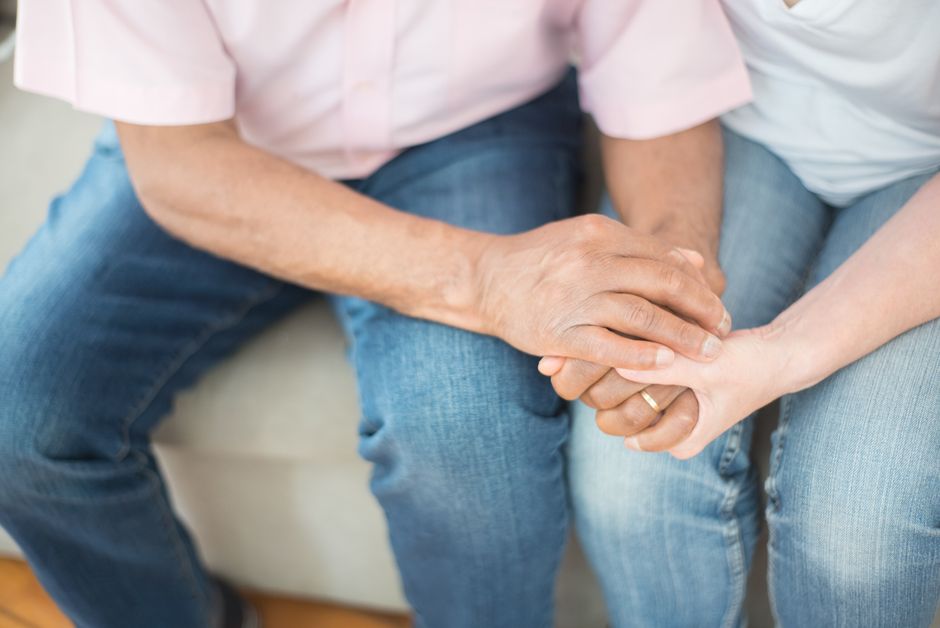
Couples where one partner is a caregiver report various changes in relationship dynamics. These changes can be more pronounced if the caregiver is dealing with their own challenges or if the care recipient is struggling emotionally.
The stress affects both partners. It’s not just the caregiver who experiences strain. When both partners are managing stress, the relationship dynamic shifts. When one partner faces emotional challenges, both partners feel the effects.
What’s important to understand: this isn’t about your marriage being weak. These are documented effects of caregiving responsibilities. Knowing that helps you stop blaming yourself or your partner and start looking for real solutions.
Practical Ways to Protect Your Relationship While Caregiving
You can’t eliminate caregiving stress, but you can manage it in ways that protect your marriage.
Get help with the care itself. The more you shoulder alone, the more tension and exhaustion can build. Whether it’s family members stepping in, paid care support, or a combination, sharing the load matters. Many families find that bringing in professional in-home care services gives them breathing room and lets them focus on their relationship instead of logistics.
Schedule couple time like it’s an appointment. It sounds unromantic, but it works. Put it on the calendar. Protect it. Even 30 minutes of focused time together without caregiving talk matters. Go for a walk. Sit on the porch. Watch something you both enjoy. The goal is to remember why you’re together.
Have the hard conversations. Talk about what you’re both feeling. Tell your partner how stressed you are. Ask them what they need from you. Listen without fixing. You don’t have to solve everything, just acknowledge it together.
Set boundaries around caregiving talk. Don’t let caregiving consume every conversation. Agree that certain times or places are off-limits for logistics and appointments. You need space to be a couple, not just co-caregivers.
Take care of your own wellbeing. Therapy, support groups, exercise, sleep, time alone. These aren’t luxuries. They’re important tools. You can’t pour from an empty cup, and your marriage needs you to be as well as possible.
Acknowledge what you’re both experiencing. Loss is real here. You’ve lost time, energy, spontaneity, and probably money. Let yourselves feel that loss. Don’t pretend caregiving isn’t difficult. When you validate the difficulty together, it feels less lonely.
When to Ask for Outside Support
There’s a point where managing caregiving on your own becomes overwhelming. If you’re both burned out, fighting constantly, or one of you is showing signs of emotional distress, it’s time to bring in help.
A therapist who works with caregivers can give you tools specific to your situation. Support groups connect you with other caregiving couples who understand what you’re going through. And practical care support takes pressure off your daily life so you can actually be a couple again.
If you’re in Brazoria County and managing care for an aging parent or recovering spouse, Help Inc. offers in-home support services that handle personal care, meal prep, transportation, and companionship. Professional care support can give you and your partner back some of the time and energy you need to stay connected.
The Bottom Line

Caregiving changes marriages. That’s not a failure. That’s just reality.
What matters is whether you face that reality together or let it drive you apart. Acknowledge the strain. Ask for help. Protect couple time. Take care of your own wellbeing. And don’t wait until you’re in crisis to make changes.
Your relationship is worth investing in, even while you’re caring for someone else. Especially then.
How does caregiving affect a marriage?
Caregiving creates stress through financial pressure, lost couple time, emotional demands, and changes to intimacy. Couples report various shifts in relationship dynamics when managing care responsibilities. The stress affects both partners, and it can be more pronounced if either person is dealing with emotional challenges or health issues.
Can a marriage survive caregiving?
Yes, absolutely. Many couples navigate caregiving successfully. The key is acknowledging the strain, asking for help with actual care tasks, protecting couple time, and seeking professional support (therapy or support groups) when stress becomes overwhelming. Marriages navigate caregiving when both partners choose to stay connected and reduce isolation.
What’s the biggest strain caregiving puts on a marriage?
The biggest strain is usually lost time and emotional exhaustion. Couples stop having meaningful conversations and physical intimacy. Caregiving stress leaves you too depleted to show up emotionally for your partner. Over time, this can create distance and tension.
Should we hire help so we can focus on our relationship?
Yes. Professional care support isn’t abandoning your loved one. It’s protecting your marriage and your own wellbeing. Whether it’s family members, paid in-home care, or a mix of both, sharing caregiving responsibilities gives you back the time and energy your relationship needs.


